Guide to Q Dispensary: Product Areas, Practical Information, and Local Tips
14 min read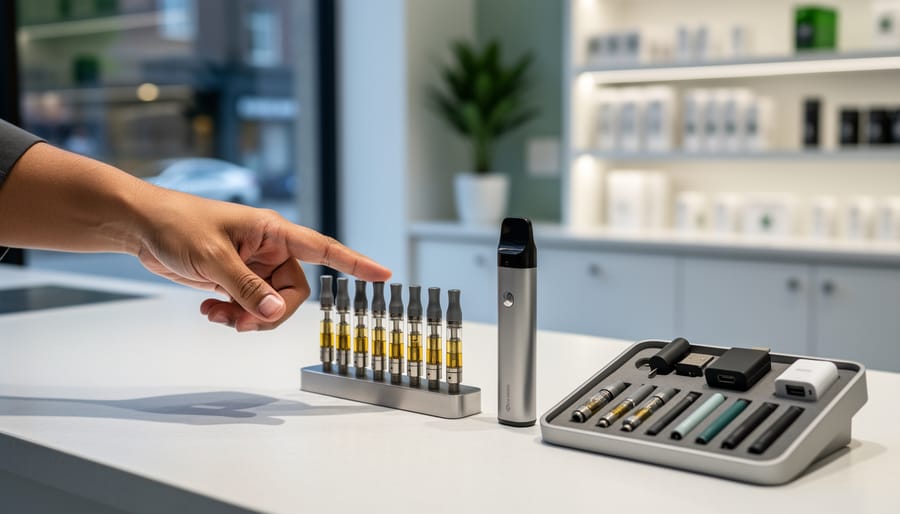
Walking into Q Dispensary for the first time, you’ll find a vaping-focused cannabis retailer that prioritizes product education and hands-on guidance over flashy marketing. What sets this location apart is its consultative approach: budtenders here consistently take the time to explain terpene profiles, vaporizer compatibility, and extraction methods rather than simply pointing you toward bestsellers. For both newcomers exploring their first cartridge and experienced consumers hunting for specific cannabinoid ratios, Q Dispensary offers a curated selection backed by staff who actually understand the products they’re recommending.
The layout divides product categories into distinct zones, each designed to help you compare options side by side. Unlike dispensaries that keep vape products locked behind glass with minimal information, Q encourages handling display models and asking detailed questions. I’ve watched budtenders walk customers through the differences between live resin and distillate cartridges, explain why certain battery voltages matter for flavor preservation, and suggest starter kits that won’t leave beginners overwhelmed by unnecessary features.
This guide breaks down what you’ll encounter in each product area, what questions to ask before purchasing, and how to evaluate quality when comparing similar items. Whether you’re replacing a worn-out device, trying a new extraction method, or simply restocking your regular rotation, understanding what Q Dispensary offers and how to navigate their selection will help you make confident, informed choices that match your consumption style and budget.
Why Visit Q Dispensary
Q Dispensary has built its reputation around a straightforward principle: treating vaping customers as partners in their cannabis journey rather than just transactions. The staff approach consultations differently than many outlets, they ask about your experience level and what you’re hoping to achieve before steering you toward products. This matters especially for medicinal users who need consistency and reliability, or recreational users exploring beyond basic options.
What distinguishes this dispensary is their focus on product education alongside curation. Instead of overwhelming you with dozens of brands, they maintain a selective inventory that balances established producers with emerging options worth trying. The team tests products themselves and can speak to flavor profiles, effects, and quality differences in practical terms. When they recommend a cartridge or concentrate, they explain why it might suit your needs rather than defaulting to whatever moved slowly last week.
The space itself supports informed decision-making. Product displays include clear labeling about extraction methods, source material, and testing results. Staff members rotate through different roles, so most can discuss hardware compatibility, concentrate selection, or medicinal applications depending on what you need. They’re comfortable admitting when they haven’t personally tried something, which builds trust over time.
For cannabis connoisseurs this approach means access to knowledgeable conversations about terpene preservation or device temperature control. For beginners, it means not getting pushed toward expensive setups before understanding what you actually prefer. Both recreational and medicinal customers benefit from an environment that prioritizes learning alongside purchasing.
1. Vape Cartridge Selection
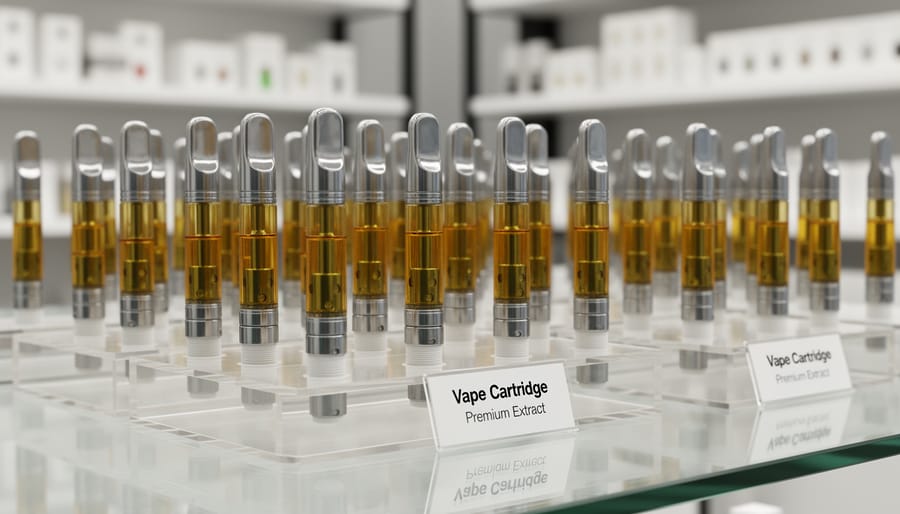
The cartridge section typically occupies a prominent spot in the dispensary, usually behind the counter or in a dedicated display case where staff can guide you through options. Most well-stocked dispensaries rotate their cartridge inventory regularly to keep pace with new releases and customer preferences, though the core selection of proven performers tends to remain consistent.
You’ll generally find cartridges organized by strain type, effect profile, or extraction method. Indica, sativa, and hybrid categories provide a starting framework, but many dispensaries now group cartridges by desired experience, relaxation, focus, pain relief, or social settings. This organization helps when you’re shopping with a specific outcome in mind rather than getting caught up in strain names alone.
Quality considerations matter more than brand recognition. Look for cartridges that list full panel testing results, including cannabinoid profiles and confirmation of clean processing. The hardware itself deserves attention: check that the cartridge uses a ceramic or quartz heating element rather than cheaper wicking materials, and verify thread compatibility with your battery before purchasing.
Staff can explain which extraction methods the dispensary prioritizes. CO2 extraction, distillate, and live resin represent different approaches with distinct flavor and effect profiles. Live resin cartridges preserve more of the plant’s original terpene content, while distillates offer higher purity with reintroduced terpenes.
Don’t hesitate to ask about age and freshness. Cartridges perform best when stored properly and used within reasonable timeframes. Staff familiar with inventory turnover can steer you toward fresh stock rather than items that have been sitting for extended periods.
2. Concentrate and Extract Section
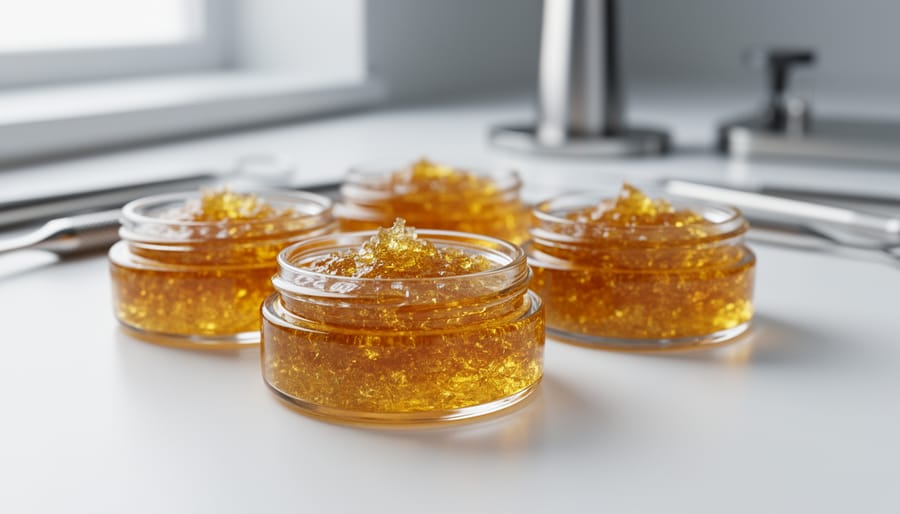
The concentrate section typically runs deeper than what you’ll find in the cartridge displays. Dispensaries stock various extract forms designed specifically for vaping devices, each offering different experiences in terms of flavor clarity and onset speed.
You’ll commonly encounter wax, shatter, live resin, and distillate. Wax has a softer, more malleable consistency that works well in most vaporizers. Shatter appears glass-like and stable at room temperature, making it easier to handle in precise doses. Live resin preserves more of the original plant’s terpene profile because it’s made from fresh-frozen material rather than dried flower, which translates to noticeably richer flavor. Distillate represents the most refined option, offering near-pure cannabinoid content with minimal flavor unless terpenes are reintroduced.
If concentrates are new territory for you, start by asking staff which consistency works best with your current device. Not all vaporizers handle every extract type equally well. Some perform better with thinner oils, while others need the thickness that wax or budder provides to function properly.
Potency deserves attention, but don’t get tunnel vision chasing the highest numbers. Concentrates naturally test higher than flower because they’re refined extracts, but the full experience depends on terpene content and how your body processes different cannabinoid ratios. A well-preserved live resin often delivers a more satisfying session than a stripped-down distillate, even if lab numbers suggest otherwise.
Ask to see the product in its container before purchasing. Quality concentrates should look clean without dark spots or separation, and they shouldn’t smell harsh or chemical.
3. Vaporizer Hardware and Devices
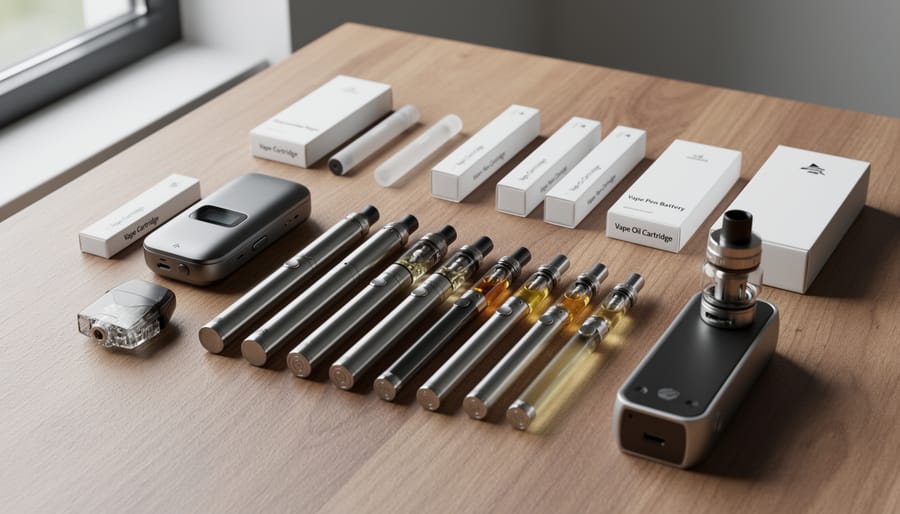
The hardware section typically displays a range of vaporizers suited to different preferences and budgets. You’ll find portable pen-style devices that fit in a pocket, mid-size portable units with digital temperature controls, and occasionally desktop vaporizers for home use. Staff can explain the trade-offs: pens are discreet but offer less control, while larger portables provide precise temperature settings and better vapor quality at the cost of size and price.
Battery compatibility matters more than many first-time buyers realize. Standard 510-thread batteries work with most cartridges, but some proprietary cartridges require specific batteries. Ask which batteries fit the cartridges you’re considering, and whether the dispensary stocks replacements. A dead battery shouldn’t strand you with a full cartridge you can’t use.
Temperature control is worth understanding. Lower temperatures preserve flavor and terpenes but produce less visible vapor; higher settings create thicker clouds but can degrade taste. Devices with adjustable settings let you experiment, while single-setting pens lock you into one experience. If you’re upgrading from disposables, ask staff to demonstrate how different devices heat and what maintenance they require.
Check warranty coverage and return policies before purchasing hardware. Some devices come with manufacturer warranties, while others don’t. Knowing whether you can exchange a malfunctioning unit saves frustration later. Ask about the learning curve too, some devices are genuinely simpler than others, and staff familiarity with specific models helps you avoid buyer’s remorse.
4. Accessories and Supplies
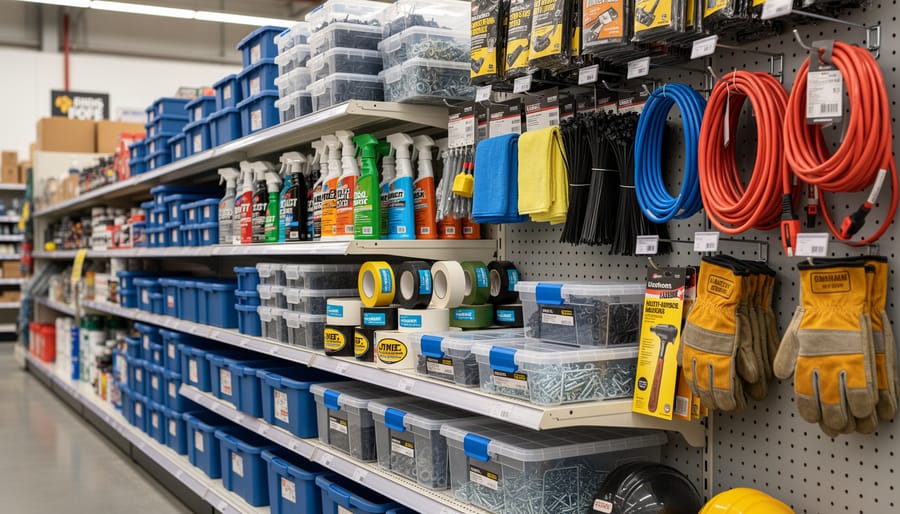
A well-stocked accessories section separates basic dispensaries from those serving serious vaping customers. Beyond the cartridges and concentrates themselves, you’ll find tools that extend device lifespan and improve your overall experience.
Cleaning supplies form the essential category. Isopropyl alcohol wipes, cotton swabs designed for threading and chambers, and specialized cleaning solutions keep devices functioning properly. For anyone vaping concentrates regularly, these aren’t optional, residue buildup degrades flavor and can clog atomizers within days of neglect.
Storage solutions matter more than most realize. Airtight containers preserve potency by minimizing exposure to air and light. Silicone containers work well for concentrates, while cartridges benefit from upright storage in protective cases. Temperature matters too, which is why some dispensaries carry simple storage boxes designed to shield products from heat.
Battery maintenance items include charging cables compatible with 510-thread batteries, portable cases that prevent accidental firing, and voltage adjusters for those who want precise control over their vaping temperature. Understanding CBD vs THC effects helps determine which cleaning and storage priorities fit your specific usage pattern.
Ask staff which accessories they personally use. Their daily recommendations often reveal what actually works versus what just takes up shelf space.
5. Medicinal Product Consultation Area

Many dispensaries set aside a consultation space where staff can discuss medicinal applications more privately than at the main counter. If you’re considering vaping for therapeutic purposes, this area becomes your starting point for matching symptoms to delivery methods.
Staff trained in medicinal cannabis typically ask about your experience level, what you’re addressing (pain management, sleep issues, anxiety reduction), and whether you’ve tried other consumption methods. They’ll explain why vaping offers faster onset than edibles but shorter duration than capsules, which matters when timing relief around daily activities. Come prepared with specific questions: “How does vaping compare to tinctures for daytime anxiety?” gets you better guidance than “What should I try?”
Understanding cannabinoid profiles helps these conversations. While THC concentration matters, the presence of CBGCBD, and terpenes shapes therapeutic effects significantly. Ask staff to explain lab results rather than just pointing to the highest percentage. A cartridge with balanced cannabinoids often works better for medicinal use than one optimized purely for potency.
Bring documentation if you have a medical card, but also bring honesty about what hasn’t worked previously. Staff can’t diagnose or prescribe, but they can suggest product categories worth exploring and warn you away from approaches that typically disappoint people with similar needs. Most consultations take fifteen to twenty minutes when you engage meaningfully rather than rushing toward a quick recommendation.
6. New Product and Educational Display

Most dispensaries dedicate space to highlighting new arrivals and providing educational resources, and this area often becomes more valuable than it first appears. Rather than just showcasing products, a well-designed educational display helps you understand what you’re buying and why certain innovations matter for your vaping experience.
Look for displays that explain the differences between product types rather than just listing them. Quality educational materials break down extraction methods, temperature considerations, and how various formulations affect your experience. Some dispensaries rotate informational posters or pamphlets that address common questions about potency, terpene profiles, and device compatibility.
The new product section typically features recent additions to the inventory, though what counts as “new” varies by location. Staff can usually explain what’s genuinely innovative versus what’s just repackaged. Ask about upcoming releases if you’re interested in staying ahead of trends, many dispensaries maintain informal lists or can point you toward manufacturer announcements.
Digital displays or tablets sometimes offer deeper dives into product testing, manufacturer backgrounds, or usage tutorials. These resources prove especially helpful when you’re considering an unfamiliar product category or trying to understand technical specifications.
Take time to read available materials rather than rushing through. The educational component distinguishes knowledgeable dispensaries from those simply moving inventory, and the information you gather here informs better purchasing decisions across all product areas.
Practical Visit Information
Before heading to any dispensary, preparation makes your visit smoother and more productive. Understanding what to bring and what policies typically govern these retail environments helps you focus on product selection rather than logistical surprises.
Every dispensary requires valid government-issued photo identification, regardless of age. Bring your driver’s license, passport, or state ID, digital versions aren’t universally accepted, so carry the physical card. If you’re a medicinal patient, bring your medical cannabis card or state-issued recommendation along with your ID. Some locations maintain separate medicinal and recreational areas with different product selections and pricing structures.
- Government-issued photo ID (physical card, not digital)
- Medical cannabis card if applicable
- Payment method, many dispensaries operate cash-only or accept debit with ATM-style transactions
- Written list of questions or product interests to stay focused
- Smartphone to research strains or spot real reviews while browsing
Most dispensaries handle cash primarily because federal banking restrictions limit credit card processing. Call ahead to confirm accepted payment methods. ATMs on-site typically charge service fees.
Accessibility varies by location. If you need wheelchair access, service animal accommodation, or assistance with visual or hearing needs, contact the dispensary beforehand to confirm their facilities meet your requirements. Many locations offer curbside pickup or dedicated consultation spaces for customers who prefer privacy.
Return and exchange policies differ substantially. Unopened products in original packaging might be returnable within a specific window, but opened items rarely are due to regulatory restrictions. Defective hardware like batteries or devices usually qualifies for exchange. Ask about their specific policy before completing your purchase, and keep your receipt, most dispensaries won’t process returns without proof of purchase.
Local Tips for Q Dispensary Visits
Arrive mid-morning on weekdays if you want unhurried conversations with staff. That’s when budtenders have the bandwidth to explain terpene profiles or walk through device features without a line forming behind you. Start with one or two specific questions about what you’re trying to achieve rather than asking for “the best cartridge”, framing your needs helps staff ask better questions in return and narrow options to what actually fits.
Don’t feel pressured to buy during your first visit. Serious dispensaries respect customers who want to browse, read labels, and ask follow-up questions without making an immediate purchase. If you’re torn between options, ask if the staff has personally tried either product and what they noticed. Most budtenders vape themselves and can offer grounded observations beyond marketing claims.
Keep your phone accessible for note-taking. When a budtender mentions a strain name or suggests a device feature worth researching later, jot it down rather than trying to remember everything. This habit turns each visit into a mini education session that builds your knowledge base over time.
Common Questions About Dispensary Shopping
Shopping for vaping products at any dispensary raises practical questions, especially if you’re newer to cannabis or trying a different consumption method. Here are answers to concerns that come up frequently.
How can I tell if products are fresh?
Check packaging dates and ask staff about inventory turnover, particularly for cartridges and concentrates which degrade over time. Quality dispensaries rotate stock regularly and will be transparent about when products arrived.
What if a budtender recommends something that doesn’t work for me?
Most dispensaries understand that cannabis affects everyone differently. Ask about their exchange or return policies before purchasing, and don’t hesitate to return and request alternatives if a product doesn’t meet your needs.
How do I know if a cartridge will work with my battery?
Standard 510-thread connections fit most devices, but always verify compatibility before purchasing. Bring your battery if you’re unsure, and staff can test-fit cartridges to confirm.
Should I trust third-party lab testing results?
Reputable dispensaries provide lab certificates showing cannabinoid profiles and contaminant screening. These certificates should list the testing facility and batch number, allowing you to verify results independently if desired.
When product labels feel confusing, remember that staff members deal with these questions constantly. Asking for clarification about terpene profiles, extraction methods, or dosing guidance isn’t bothersome; it’s exactly what knowledgeable budtenders are there to help with.
If you feel pressured toward premium products when you wanted something basic, speak up. A quality dispensary respects budget constraints and different experience levels, offering genuine guidance rather than upselling. Trust your instincts about whether recommendations feel personalized or scripted, and seek second opinions when something doesn’t feel right.
Comparing Dispensary Options: What to Look For
When you’re choosing where to shop for vaping products, a few core factors separate exceptional dispensaries from ones that just sell cannabis. Think of this as your evaluation checklist, whether you’re assessing Q Dispensary or any other local option.
Start with product variety and freshness. A solid dispensary rotates inventory regularly and offers multiple options within each category, cartridges, concentrates, compatible devices. You want choices, not just whatever happens to be in stock. Check batch dates when possible and ask how often they bring in new products.
Staff expertise matters more than most people realize. Can the budtender explain extraction methods? Do they understand terpene profiles and how they affect your experience? Can they recommend devices based on your actual usage patterns rather than just pointing to the most expensive option? A knowledgeable team transforms shopping from guesswork into informed decision-making.
Testing transparency separates reputable operations from questionable ones. Look for clearly displayed lab results on products, including cannabinoid profiles and contaminant screening. Staff should be able to explain what those results mean and why they matter for your safety and experience.
| Evaluation Criteria | What to Look For | Red Flags |
|---|---|---|
| Product Knowledge | Staff who explain extraction methods, terpenes, device compatibility | Generic descriptions, inability to answer technical questions |
| Selection Depth | Multiple options per category, regular rotation, current batch dates | Limited choices, dusty packaging, outdated products |
| Testing Transparency | Visible lab results, clear cannabinoid profiles, contaminant screening | Missing test data, vague claims, reluctance to show documentation |
| Educational Support | Patient consultations, product guides, willingness to explain options | Rushed service, pressure to buy, dismissive attitude toward questions |
Educational resources reveal a dispensary’s commitment to customer empowerment. Do they offer consultations for medicinal users? Are there product guides or informational materials available? The best dispensaries treat education as part of the service, not an inconvenience.
Finally, trust your gut about the overall atmosphere. A quality dispensary feels welcoming to newcomers and experienced users alike, with staff who listen before recommending and who respect your budget constraints without judgment.
Choosing where you shop for vaping products matters more than many people realize. A dispensary that invests in staff training, maintains transparent testing standards, and genuinely wants customers to understand what they’re buying creates an entirely different experience than one focused purely on transactions. When you find a place that treats education as part of the service rather than an afterthought, you set yourself up for better purchases and safer consumption habits over time.
The best dispensary visits happen when you come prepared with questions and leave with more knowledge than you brought. Don’t hesitate to ask about testing results, extraction methods, or why a staff member recommends one product over another. The answers you get reveal both the quality of the products and the expertise backing them. Over multiple visits, you’ll develop a better sense of what works for your specific needs and preferences, whether that’s managing pain, reducing anxiety, or simply enjoying cannabis recreationally.
Think of each visit as a chance to refine your understanding rather than just restocking supplies. Pay attention to how products affect you, note what variables change between sessions, and use that information to guide future selections. The dispensary staff can offer valuable insights, but your own experience remains the most reliable teacher. Building this knowledge base takes time, but it transforms dispensary shopping from guesswork into informed decision-making that serves you better in the long run.