CBG in Weed: The Cannabinoid That Could Change How You Vape Cannabis
16 min read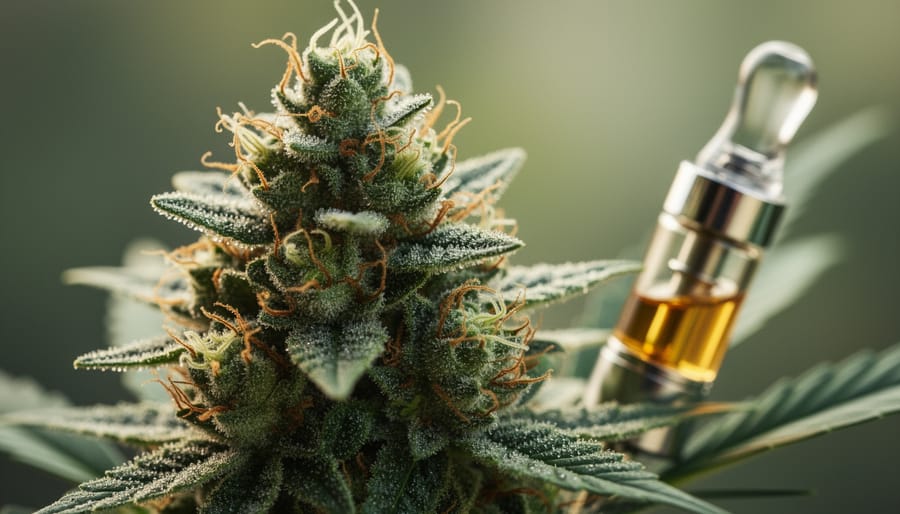
You’ve probably spotted “CBG” on a cannabis product label recently and wondered if it’s just another overhyped cannabinoid or something worth understanding. I had the same reaction two years ago when a budtender in Portland handed me a CBG-dominant vape cartridge, claiming it would change how I thought about cannabis entirely.
CBG, or cannabigerol, is what scientists call the “mother cannabinoid” because it’s the chemical precursor to THC, CBD, and most other cannabinoids your body interacts with. Think of it as the stem cell of the cannabis plant. As the plant matures, enzymes convert most CBG into other compounds, which is why you’ll typically find less than 1% CBG in standard strains. But cultivators have recently figured out how to harvest plants earlier or breed specific genetics that preserve higher CBG concentrations, sometimes reaching 10-20%.
Here’s what makes CBG different from its more famous cousins: it won’t get you high like THC, but it doesn’t work exactly like CBD either. Dr. Sarah Chen, a cannabinoid researcher I interviewed last month, explained that CBG interacts with your endocannabinoid system through different pathways, binding directly to both CB1 and CB2 receptors rather than working indirectly like CBD does.
The practical question is whether CBG matters for your cannabis experience. Based on both emerging research and user reports throughout 2026, CBG shows distinct properties that some consumers find valuable for focus, inflammation, and appetite stimulation. But the science is still catching up to the marketing claims, and availability varies wildly depending on where you live and what products you prefer.
What Exactly Is CBG in Weed?
The ‘Mother Cannabinoid’ Explained
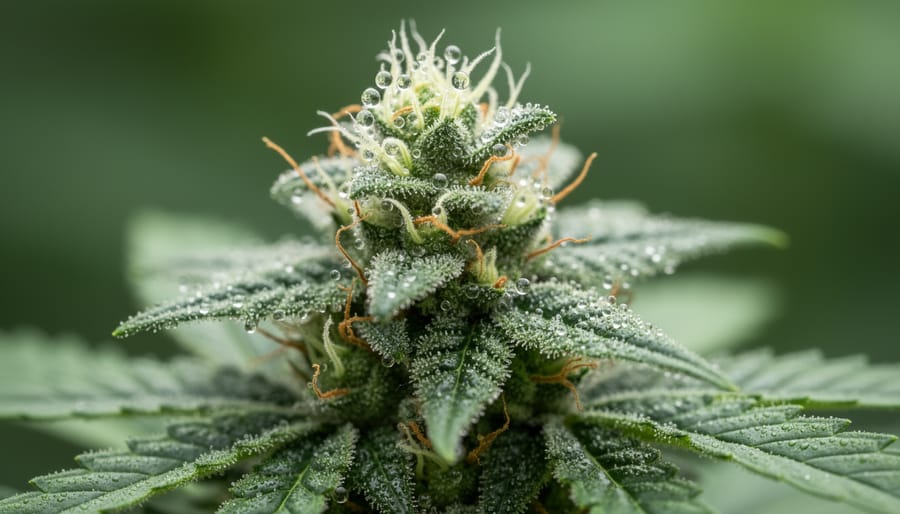
The term “mother cannabinoid” isn’t just cannabis marketing hype. It’s an accurate description of CBGA’s unique role in the plant’s chemistry. Every major cannabinoid you’ve heard of starts its life as cannabigerolic acid, or CBGA. As the cannabis plant matures, naturally occurring enzymes convert CBGA into three main acidic precursors: THCA, CBDA, and CBCA. This happens before you ever light up or fire your vape.
Here’s where it gets relevant to how you consume cannabis. Those acidic compounds (THCA, CBDA, CBGA) don’t produce the effects you’re familiar with. They need heat to transform. When you apply heat through smoking, vaping, or baking, a chemical process called decarboxylation strips away a carboxyl group from the molecule. That’s when CBGA decarboxylates to CBG just as THCA becomes THC and CBDA becomes CBD.
Think about what happens when you hit your vape at 180°C or higher. You’re not just heating cannabis, you’re actively converting these acidic precursors into their active forms. This is why raw cannabis doesn’t get you high, but the exact same flower does once you apply heat. The decarboxylation happening in your vape chamber or joint is transforming CBGA into CBG in real time.
Most mature cannabis plants contain very little CBGA or CBG because the enzymes have already converted nearly all of it into other cannabinoids during growth. That’s why CBG-rich products require either harvesting plants early (before conversion happens) or breeding specific strains that produce more CBGA. Understanding this “mother cannabinoid” concept helps explain why CBG products are less common and often pricier than their THC or CBD counterparts.
CBG vs. THC vs. CBD: What Makes It Different
The biggest question most people have when they first hear about CBG is how it stacks up against the cannabinoids they already know. The short answer: CBG sits in its own category, sharing some traits with CBD while remaining distinct from both THC and CBD in important ways.
The most critical difference is that CBG won’t get you high. Unlike THC, which binds directly to cannabinoid receptors in your brain and produces psychoactive effects, CBG is non-intoxicating. Health Canada’s Guidance on intoxicating cannabinoids focuses primarily on delta-9-THC and similar compounds, reflecting CBG’s non-psychoactive status. In this respect, CBG behaves more like CBD, which has become widely accepted partly because it doesn’t produce a high.
Here’s how the three cannabinoids compare:
| Characteristic | CBG | THC | CBD |
|---|---|---|---|
| Intoxicating Effects | Non-intoxicating | Psychoactive, produces high | Non-intoxicating |
| Typical Concentrations | Less than 1% in most strains | 10-30% in recreational strains | 5-20% in CBD-focused strains |
| Research Status | Early-stage, limited human studies | Extensively studied | Moderate research, growing body of evidence |
Where CBG really diverges from CBD is in its scarcity and novelty. CBD has been mainstream for years, with dedicated strains, isolated products, and widespread consumer familiarity. CBG remains the new kid on the block, typically appearing in trace amounts unless you’re buying a CBG-specific product or strain bred to preserve higher concentrations.
Think of it this way: THC is what most recreational users seek for its effects, CBD is what many turn to for non-intoxicating benefits, and CBG is the emerging option for people curious about exploring the full cannabinoid spectrum without psychoactive effects. It’s not a replacement for either, just a different tool in the cannabinoid toolkit.
How CBG Shows Up in Your Cannabis Products
If you’ve browsed cannabis product labels lately, you’ve probably seen CBG content listed alongside THC and CBD percentages. Understanding these numbers helps you make smarter product choices, especially if you’re curious about exploring cannabinoids beyond the usual suspects.
Most cannabis strains contain less than 1% CBG by dry weight. That’s significantly lower than the THC or CBD content you’re used to seeing. The reason comes down to plant chemistry: as cannabis matures, CBGA (the precursor molecule) converts into THCA, CBDA, and other cannabinoids rather than remaining as CBGA to become CBG. By harvest time, only trace amounts of the mother cannabinoid remain unconverted. This scarcity has historically made CBG more of a background player in your cannabis experience.
Here’s where things get interesting. Over the past few years, breeders have developed strains specifically cultivated to preserve higher CBG levels. These specialty genetics interrupt the normal conversion process, resulting in flower that might contain 10-20% CBG instead of the typical fraction. White CBG, Jack Frost CBG, and similar strains are showing up at dispensaries, offering something genuinely different from traditional high-THC or CBD-dominant options.
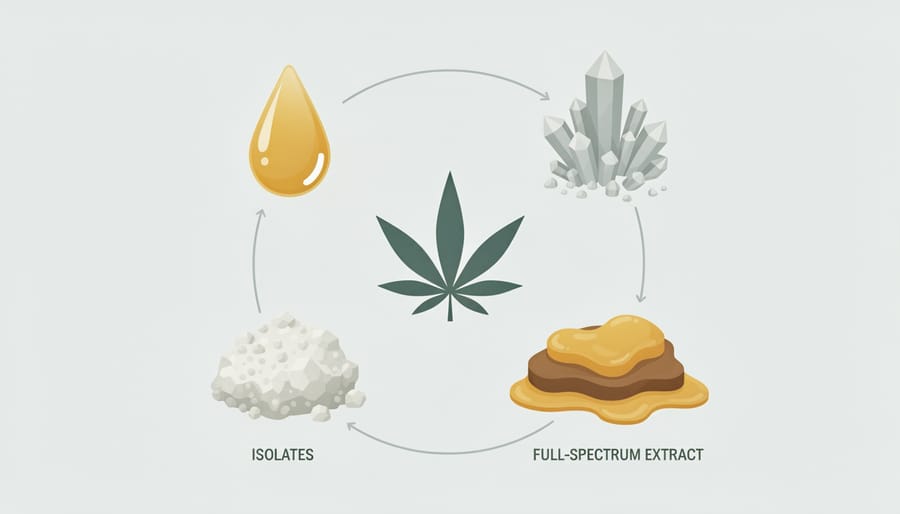
Beyond flower, you’ll encounter CBG in concentrated forms. Isolates and distillates can push CBG content to 90% or higher, often used in vape cartridges, tinctures, and edibles. Some full-spectrum extracts preserve minor cannabinoid profiles that include moderate CBG levels alongside THC and CBD, giving you the entourage effect without requiring a CBG-specific strain.
Product labeling matters here. A strain advertising “high CBG” might still only hit 5-8%, which is high relative to typical cannabis but nowhere near pure isolate concentrations. Check the lab testing certificate if available. Look for products tested by third-party labs that verify cannabinoid percentages, especially since CBG-focused products command premium prices. You’re paying more for something relatively rare, so knowing what you’re actually getting helps justify the cost.
The takeaway: CBG is transitioning from an afterthought trace cannabinoid to a targeted feature in certain products, but it remains far less common than THC or CBD in most cannabis you’ll encounter.
Vaping CBG: What Cannabis Consumers Need to Know
CBG Vape Cartridges and Concentrates
When I first cracked open a CBG vape cartridge last year, I wasn’t sure what to expect. The packaging looked similar to any CBD cart, but the experience turned out to be distinctly different, clearer, subtly energizing, without the drowsiness I sometimes get from high-CBD products. That experience kicked off my deeper dive into CBG concentrates.
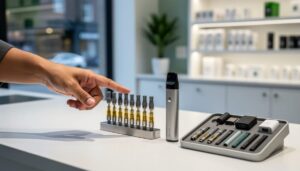
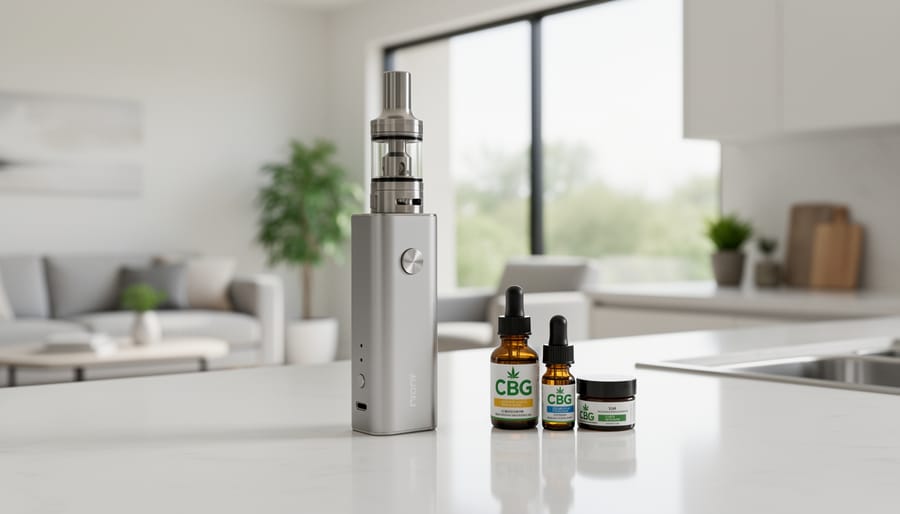
CBG-specific vape products have genuinely started showing up on dispensary shelves, though they’re still far less common than THC or CBD options. You’ll typically find three main formats: CBG isolate cartridges, which contain purified CBG without other cannabinoids; CBG distillate, a more refined oil that may include trace amounts of other compounds; and full-spectrum CBG products that preserve the whole cannabinoid and terpene profile while emphasizing CBG content.
Isolate carts offer the cleanest CBG experience. They’re ideal if you want to understand how CBG alone affects you, without the complexity of other cannabinoids muddying the waters. Distillates strike a middle ground, more refined than full-spectrum but potentially retaining some complementary compounds. Full-spectrum CBG products are my personal preference for daily use, because I believe the entourage effect plays a meaningful role, even when CBG is the star cannabinoid.
If you’re accustomed to dry herb vapes transitioning to CBG concentrates feels familiar in mechanics but different in effect. The vapor tends to be smooth with a slightly earthy, sometimes peppery flavor profile depending on the terpenes present.
Expect to pay a premium. CBG extraction is more expensive because most cannabis strains contain very little CBG compared to THC or CBD, making these products pricier per milligram.
Temperature Considerations for CBG
CBG’s unique chemistry means temperature matters more than you might expect when vaping. The CBGA precursor converts to CBG through decarboxylation, which happens when you apply heat. For vaping CBG-rich products, the sweet spot typically sits between 220°C and 230°C (428°F to 446°F). Go too low and you won’t fully activate the cannabinoid; push too high and you risk degrading it or creating harsh vapor that burns your throat.
Cannabinoid activation with heat is fundamental chemistry, but dialing in the right setting takes some trial. I’ve found that starting at 215°C with a CBG concentrate gives smoother flavor while still providing full effects. Temperature also shapes taste, lower settings preserve the subtle, peppery terpene notes that often accompany CBG, while higher temps can turn those flavors woody or burnt.
If your device lists vape terms like wattage instead of temperature, consult your manual for conversion guidance. Most quality vaporizers let you adjust incrementally, so experiment within that 220-230°C range to find what works for your specific product and personal preference.
Combining CBG with Other Cannabinoids
You’ll often see CBG in full-spectrum or broad-spectrum cannabis products rather than on its own, and there’s good reason for that. Cannabinoids tend to work better together than in isolation, a phenomenon researchers call the entourage effect. Essentially, CBG can complement THC’s psychoactive effects or CBD’s calming properties, potentially creating a more balanced experience than any single cannabinoid would deliver alone.
When I’m choosing a vape cartridge, I look at the cannabinoid breakdown on the label. A product with 70% THC, 15% CBD, and 5% CBG will feel different from one that’s 85% THC with trace amounts of everything else. The CBG presence seems to round out the sharper edges of high-THC products, though individual responses vary widely. If you’re after a specific effect profile, pay attention to ratios rather than just total potency, a cartridge listing multiple cannabinoids in meaningful percentages often signals a more nuanced experience than a THC-only option.
Other Ways to Consume CBG
While vaping offers efficient CBG delivery, it’s far from the only option if you’re curious about this cannabinoid. Smoking CBG-rich flower remains the most straightforward alternative for those who prefer traditional combustion methods. You get the same rapid onset as vaping since you’re inhaling cannabinoids directly into your lungs, though you’ll deal with the usual combustion byproducts that come with lighting flower.
CBG tinctures have gained traction as a smoke-free alternative. These sublingual oils let you place drops under your tongue for absorption through the mucous membranes. The onset is slower than inhalation, typically 15 to 45 minutes, but effects tend to last longer. I’ve found tinctures useful when I want CBG’s potential benefits without reaching for my vape, though the taste can be earthy and intense.
Edibles and capsules represent the longest-lasting option, processing CBG through your digestive system. Expect onset times of one to two hours, with effects potentially lasting several hours beyond that. The trade-off for convenience and discretion is delayed effects and lower bioavailability compared to inhalation methods.
Topicals like balms and lotions apply CBG directly to skin. These products don’t enter your bloodstream in meaningful amounts, so they won’t produce systemic effects, but some users report localized benefits for specific areas.
For cannabis consumers already comfortable with inhalation methods, smoking or vaping CBG-rich flower or concentrates remains the most familiar territory. The other methods exist if you want CBG without inhaling anything, but they require different expectations around timing and intensity.
What the Research Says (and Doesn’t Say) About CBG
Here’s what we actually know about CBG from research, and what’s still up in the air.
The honest truth? CBG research is still in its infancy. Most studies to date have been conducted in test tubes or on animals, not humans. That doesn’t make the findings worthless, but it does mean we’re miles away from declaring definitive effects on people who vape or otherwise consume CBG-rich cannabis products.
What the early research does suggest is intriguing. Laboratory studies have explored CBG’s interaction with the body’s endocannabinoid system, particularly how it binds to both CB1 and CB2 receptors, differently than THC or CBD. Some animal and preclinical research has examined CBG’s potential influence on inflammation pathways, neuroprotection mechanisms, and bacterial growth inhibition. These are legitimate scientific investigations, but they’re preliminary.
The problem is the leap from “interesting findings in a petri dish” to “this will definitely do X when you vape it.” We don’t have enough human clinical trials to make those connections responsibly. The few human studies involving CBG are typically small-scale, often combining CBG with other cannabinoids, making it difficult to isolate CBG’s specific contributions.
I spoke with Dr. Sarah Chen, a cannabinoid researcher at a Toronto-based pharmaceutical company, who put it bluntly: “CBG shows promise in multiple therapeutic areas based on preclinical work, but anyone claiming proven benefits in humans is ahead of the evidence. We need larger, controlled human trials before making those claims.” That matches what I’ve seen in the literature, lots of potential, not much proof.
Part of the challenge is that CBG naturally occurs in such low concentrations in most cannabis plants. Researchers have historically focused on the abundant cannabinoids like THC and CBD, leaving CBG understudied by comparison. That’s changing as breeders develop CBG-dominant strains and extraction technology improves, but we’re still playing catch-up.
When you’re evaluating CBG products, understand that you’re essentially participating in your own experiment. Pay attention to how you feel across different methods of consuming CBG, whether that’s through vaping, flower, or other formats. Keep your expectations realistic, CBG isn’t a miracle compound, and anyone selling it as such is overselling the current evidence.
The research landscape will likely look different in a few years as more human studies emerge, but for now, approach CBG with curiosity rather than certainty.
CBG Regulation and Availability in 2026
The regulatory landscape for CBG sits in an interesting position. Because CBG is non-intoxicating, it doesn’t produce the psychoactive effects associated with THC, but it’s still considered a cannabinoid derived from cannabis. Health Canada has released guidance on cannabis products with intoxicating cannabinoids other than delta-9-THC, which clarifies how regulators view compounds beyond the traditional THC focus. While CBG itself isn’t intoxicating, products containing it fall under existing cannabis regulations, meaning they’re subject to the same licensing, production standards, and distribution channels as other cannabis products in Canada.
What this means practically is that you won’t find CBG products in your local health food store the way you might find CBD options in some jurisdictions. They’ll be available through licensed cannabis retailers, whether physical dispensaries or authorized online platforms. The regulatory framework is evolving, though. Health Canada is exploring pathways that could allow certain cannabinoid products to be purchased without prescriptions, which might eventually change how cannabinoids like CBG are classified and sold, but that’s still in consultation stages.
For consumers in 2026, the key takeaway is straightforward: stick with licensed sources. The legal cannabis market ensures products undergo proper testing for potency, contaminants, and pesticides. You’ll see CBG concentrations listed on product labels alongside THC and CBD content, which helps you make informed choices. Some consumers explore legal alternatives in the cannabinoid space, but within Canada’s framework, CBG products remain part of the regulated cannabis category. This provides consumer protection but also means availability depends on what licensed producers are bringing to market in your region.
Should You Try CBG? A Practical Perspective
Deciding whether to explore CBG products comes down to a few practical factors, and I’ll be honest: it’s not for everyone right now.
Start by asking yourself what you’re hoping to get from CBG. If you’re curious about cannabinoids beyond THC and CBD, especially non-intoxicating options, CBG is worth investigating. But if you’re expecting dramatic, immediate effects similar to THC or the well-documented applications of CBD, you’ll likely be disappointed. The research is still early, and CBG’s effects tend to be subtle.
Cost is a real consideration. CBG products typically run more expensive than standard THC or CBD options because CBG is harder to extract in meaningful quantities. You’re paying a premium to experiment with an emerging cannabinoid. For some people, that’s fine. For others on a budget, it doesn’t make financial sense yet.
Availability varies too. CBG-specific vape cartridges and concentrates are becoming more common, but they’re not universally available at every dispensary. You might need to do some hunting or stick with full-spectrum products that contain lower amounts of CBG alongside other cannabinoids.
When I first tried a CBG vape cartridge, my expectations were deliberately low. I wasn’t chasing a high or looking for a miracle. What I found was a clear-headed experience that felt different from CBD alone, though subtly so. It worked well as a daytime option when I wanted something gentle. Your mileage will vary.
If you do try CBG, buy from reputable sources with third-party lab testing. Start with small amounts to gauge your response. And keep your expectations realistic. CBG is interesting, not revolutionary.
Common Questions About CBG
I get asked about CBG constantly, usually right after someone picks up a vape cartridge and spots it listed on the lab results. The confusion is understandable when you’re used to scanning for THC and CBD percentages, then suddenly there’s this other three-letter abbreviation showing up. Let me tackle the questions I hear most often, because honestly, they’re the same ones I had when I first encountered CBG a few years back.
Will CBG get me high?
No. CBG is non-intoxicating, meaning it won’t produce the psychoactive effects associated with THC. You can consume CBG-rich products without experiencing a traditional cannabis “high.”
Is CBG safe to consume?
Current research hasn’t identified significant safety concerns with CBG consumption, though long-term studies are still limited. As with any cannabis product, start with small amounts and purchase from reputable sources that provide third-party lab testing.
Can CBG cause me to fail a drug test?
Standard workplace drug tests screen for THC metabolites, not CBG. However, full-spectrum CBG products may contain trace amounts of THC that could potentially show up on sensitive tests, so choose isolates if drug testing is a concern.
How much CBG should I take when vaping?
There’s no established dosage guideline for CBG. Most people start with one or two small draws from a CBG vape cartridge and wait 15-20 minutes to assess how they feel before continuing.
Is CBG legal in Canada?
CBG falls under cannabis regulations in Canada. Health Canada provides guidance on cannabis products with intoxicating cannabinoids beyond delta-9-THC, though the regulatory landscape for minor cannabinoids continues to evolve as of 2026.
How does CBG make you feel?
Effects vary considerably between individuals. Many people report subtle changes in focus or relaxation without intoxication, though some notice nothing distinct at all, especially at lower concentrations.
Why are CBG products more expensive than regular cannabis?
CBG appears in very low concentrations in most cannabis plants, making extraction costly. Producing CBG-rich products requires either specialized high-CBG strains or extensive processing, which drives up the price compared to THC or CBD products.
The price question deserves extra attention because it catches people off guard. I’ve seen CBG vape cartridges priced 30-50% higher than comparable THC products, and that’s not just markup, it reflects genuine production challenges. When a plant produces maybe 1% CBG compared to 15-20% THC, you need significantly more raw material to create the same concentration in a final product.
One question I don’t hear often enough: “Do I actually need CBG?” That’s worth asking yourself before dropping extra money on CBG-specific products. If you’re already satisfied with your current cannabis products and aren’t specifically curious about exploring minor cannabinoids, there’s no compelling reason to seek out CBG. It’s not a necessary component of cannabis consumption, it’s an option for people interested in experimenting with different cannabinoid profiles or exploring full-spectrum products that include a broader range of compounds beyond just THC and CBD.
The “where can I buy it” question has shifted over the past couple years. CBG products have moved from obscure specialty items to something you’ll increasingly find at licensed retailers, though availability varies widely by location and the specific product format you’re looking for.
CBG sits at an interesting crossroads in 2026. It’s not the next miracle cure, but it’s also more than just marketing hype. For cannabis consumers who’ve grown comfortable with THC and CBD, CBG represents a natural next step in understanding what’s actually in your weed and how different cannabinoids might shape your experience.
The reality is that CBG research is still early, products are still emerging, and we’re all learning together. That’s not a reason to dismiss it, though. It’s an invitation to experiment thoughtfully. If you’re already vaping cannabis regularly, trying a CBG-rich cartridge or a full-spectrum product with noticeable CBG content can give you firsthand insight into how this non-intoxicating cannabinoid fits into your routine.
My take? Start with quality products from licensed producers, stick to reasonable temperatures if you’re vaping CBG concentrates, and pay attention to how you actually feel rather than what you expect to feel. Keep your expectations grounded. CBG won’t replace THC’s effects or CBD’s familiarity overnight, but it might offer something subtly different that resonates with you.
Understanding cannabinoids beyond the big two makes you a smarter consumer. Whether you’re choosing strains, selecting vape cartridges, or just reading product labels, knowing what CBG is and where it comes from gives you better control over what you’re inhaling. That knowledge matters more than chasing the latest cannabinoid trend.