
CBC Gummies Are Quietly Changing the Cannabis Edibles Game
11 min read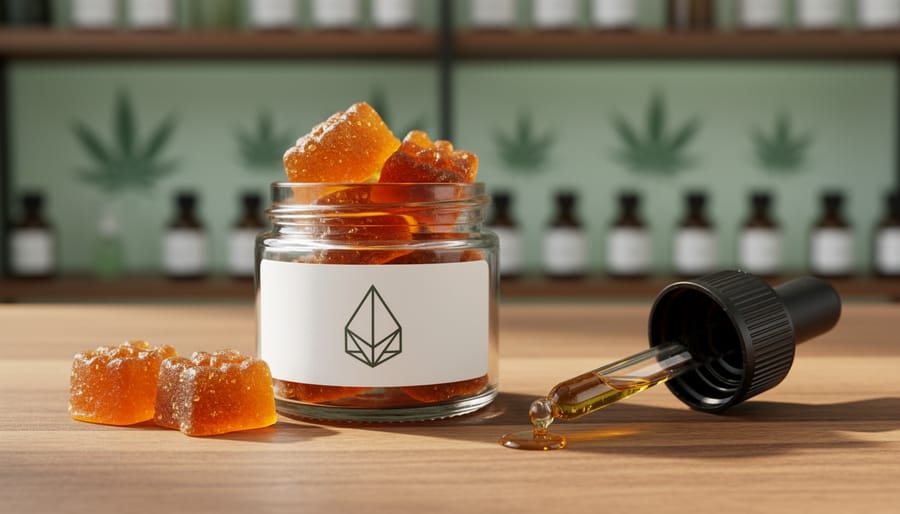
CBC gummies are chewy edibles infused with cannabichromene, a non-intoxicating cannabinoid that’s gaining attention as the third-most-abundant compound in many cannabis strains. Unlike THC, CBC won’t get you high, and while it shares CBD’s therapeutic reputation, early research suggests it may work differently in the body, particularly through pathways related to inflammation and mood regulation. If you’re exploring beyond the usual CBD and THC options, CBC gummies offer a smoke-free, measured way to experiment with this lesser-known compound, though quality and availability remain wildly inconsistent in 2026.
I first tried CBC gummies last year after a budtender mentioned them during a conversation about minor cannabinoids. The experience was subtle, nothing like the immediate shift you get from THC edibles or even the noticeable calm of a strong CBD dose. That’s the thing with CBC: anecdotal reports lean toward gentle background effects rather than dramatic shifts, which makes it tricky to evaluate but also appealing if you’re wary of anything too intense.
The market is still catching up. Most gummies blend CBC with other cannabinoids rather than isolating it entirely, and third-party lab testing remains the only reliable way to confirm what you’re actually getting. Regulatory limits matter too: in Canada, edibles can contain up to 10 mg THC per package, and any product exceeding that threshold must carry the standardized cannabis symbol on the front. But CBC itself isn’t restricted the same way, so formulations vary widely. The challenge for consumers is separating credible products from vague marketing, especially when scientific research on CBC is still in its early stages.
What Makes CBC Different from CBD and THC
I still remember the first time a dispensary budtender handed me a CBC-infused product. It was late 2024, and I’d asked what was new beyond the usual CBD and THC options. She pulled out a small jar with a confident smile and said, “This is where things get interesting.” At the time, I had no idea what cannabichromene even was, let alone how it differed from the cannabinoids I’d been using for years.
CBC is one of the so-called “minor cannabinoids,” though calling it minor feels like a disservice considering its potential. Like CBD and THC, it’s produced naturally by the cannabis plant, originating from the same parent compound (cannabigerolic acid, or CBGA). But that’s where the family resemblance starts to blur.
- CBC (Cannabichromene)
- A non-psychoactive cannabinoid that interacts with the endocannabinoid system differently than CBD or THC, primarily through receptors outside the brain’s CB1 network. Users report subtle effects on mood and physical comfort without intoxication.
- CBD (Cannabidiol)
- The most well-known non-psychoactive cannabinoid, praised for its calming properties and widespread availability. It doesn’t produce a high and has become mainstream in wellness products.
- THC (Tetrahydrocannabinol)
- The psychoactive ingredient in cannabis that gives users a high. In Canada, edible products are capped at 10 mg THC per package under current regulations.
Chemically, CBC has a unique structure that prevents it from binding strongly to CB1 receptors in the brain, which is why it doesn’t produce the psychoactive effects THC does. Instead, it appears to interact more with other receptor types, particularly those involved in pain perception and inflammation pathways. This makes the experience fundamentally different from THC’s euphoria or CBD’s generalized calm.
What users consistently report with CBC is harder to pin down than a THC high or CBD’s relaxation. It’s more like a gentle shift in baseline comfort. Some describe improved focus without jitters, others mention a subtle mood lift that doesn’t feel artificial. Personally, I noticed a kind of quiet ease in my shoulders and neck after trying that first sample, but it was so understated I almost dismissed it as placebo until it happened again the next day.
CBC has stayed under the radar for a practical reason: it’s present in much smaller quantities in most cannabis strains compared to CBD or THC, making extraction less commercially viable until recently. As cultivation techniques improved and consumers started seeking alternatives to the saturated CBD market, CBC quietly found its niche. In 2026, it’s still not a household name, but the people who’ve discovered it tend to stick around.
The CBC Gummies Experience: What Users Are Reporting
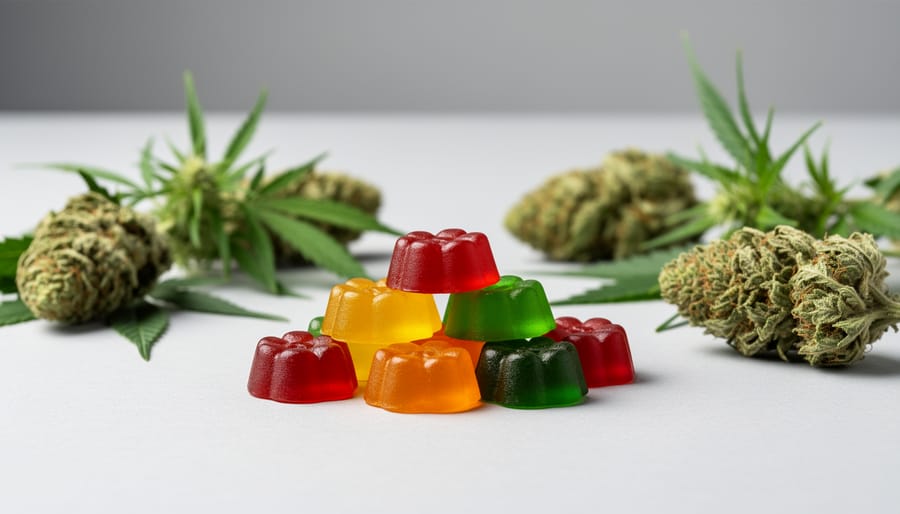
When I first tried CBC gummies last year, I wasn’t sure what to expect. The budtender described it as “the subtle one” compared to its louder cannabinoid cousins, and honestly? That turned out to be pretty accurate.
Most people experimenting with CBC gummies in 2026 aren’t chasing a dramatic high or immediate relaxation. Instead, they’re reporting something quieter and harder to pin down. The most common theme I’ve heard, both from friends and in online cannabis communities, is a gentle shift in baseline mood. People describe feeling a bit more centered, like the volume on daily stress got turned down a notch without any obvious impairment.
Physical comfort is another frequent reason people reach for CBC. Several users I’ve talked to mention taking them for post-workout soreness or general body tension, though they’re careful to note these are personal experiences, not medical advice. One friend who vapes regularly told me she keeps CBC gummies around specifically for days when her shoulders feel locked up from desk work. She described the effect as “taking the edge off without taking me out of commission.”
Focus and mental clarity also come up surprisingly often. Unlike THC, which can scatter attention, or CBD, which some find sedating, CBC seems to occupy a different space. A fellow vape reviewer mentioned using them during long writing sessions, saying they helped him stay engaged without the jittery focus of caffeine.
Here’s the catch: CBC research is still in its infancy. We’re essentially crowd-sourcing experiences with a cannabinoid that hasn’t been studied nearly as much as CBD or THC. What works for one person might do nothing for another, and the mechanisms behind these reported effects aren’t fully understood yet. That uncertainty is part of the territory when exploring emerging cannabinoids, which is exactly why starting with low doses and managing expectations makes sense.
Understanding CBC Gummies Formulations

THC Content and Compliance
Here’s where CBC gummies get interesting from a regulatory standpoint. Even though you’re buying them primarily for CBC, the THC content still matters, and in Canada, it matters a lot. Under current rules, edible cannabis products are capped at 10 milligrams of THC per package, which shapes how manufacturers formulate these products. If you’re exploring THC legal alternatives like CBC, you’ll notice most legitimate gummies stay well under this threshold, often containing only trace amounts of THC or none at all.
The labeling requirements add another layer. Any cannabis product containing more than 10 micrograms per gram of THC must display the standardized cannabis symbol on the front of the package. When I first started looking at CBC gummies, I noticed that many barely register THC at all, which means they skip this symbol entirely. That’s not a quality marker by itself, but it does signal the product’s focus.
Understanding THC content matters even in CBC-focused products because that tiny amount can affect your experience, your legal standing, and whether the product is right for your situation. Always check the COA for the actual THC measurement, not just the marketing claims.
What to Look for on the Label
A CBC gummy label that’s worth your money will have more than flashy branding, it’ll show you the details that matter. First, check for a Certificate of Analysis reference or QR code that links to third-party cannabis lab testing results, which verify the cannabinoid profile and screen for contaminants like pesticides or heavy metals. The label should state the CBC content per gummy and per package, along with other cannabinoids present (especially THC, given the 10 mg THC per package limit in many markets). In Canada, you’ll see bilingual label requirements that include both French and English text, and products with more than 10 micrograms per gram of THC must display the standardized cannabis symbol on the front. Look for a lot number, expiration date, and a full ingredient list, if any of these are missing or vague, that’s a red flag. The clearer and more transparent the label, the more confidence you can have in what you’re actually consuming.
Finding Quality CBC Gummies in 2026
Tracking down quality CBC gummies in 2026 takes a bit more detective work than buying CBD online, where the market’s been established for years. CBC is newer territory, so you’ll need to be more selective about where you shop and what you’re willing to trust.
I learned this the hard way last spring when I grabbed what looked like a legitimate CBC product from a pop-up vendor, only to realize later there was no third-party lab testing anywhere on their site. The gummies themselves were fine, probably, but I had no way to verify what was actually in them. That mistake taught me to slow down and ask better questions before handing over money.
Start with lab testing. Any reputable CBC gummy should come with a Certificate of Analysis from an independent lab, not just the manufacturer’s in-house testing. The COA should show cannabinoid content, confirm CBC levels match what’s on the label, verify THC stays within legal limits, and screen for pesticides, heavy metals, and solvents. If a brand won’t provide this documentation when you ask, that’s your signal to walk away.
Transparent sourcing matters too. Look for companies that tell you where their hemp comes from, how the CBC was extracted, and what other ingredients went into the gummies. Vague marketing copy about “premium hemp” without specifics is a red flag. In Canada, you’ll also notice bilingual labeling on legitimate products, which helps confirm regulatory compliance.
Questions worth asking at dispensaries: Can I see the COA for this batch? What’s the total cannabinoid profile? Is this CBC isolate or full-spectrum? How recently was this product made? Good budtenders won’t be put off by these questions. If they seem annoyed or can’t answer, try another shop.
Red flags include wildly exaggerated health claims, prices that seem too good to be true, missing or incomplete labels, brands you can’t research online, and any product that doesn’t clearly state its THC content. Some CBC products contain trace THC, and you need to know what you’re getting, especially if you’re subject to drug testing.
The CBC market’s still small enough that word-of-mouth in cannabis communities carries real weight. When I’m evaluating a new brand, I check forums and ask people who’ve actually tried the product, not just read the marketing.
CBC Gummies vs. Vaping: When Each Makes Sense

I’ve been vaping cannabis for years, and when CBC products started appearing, I naturally gravitated toward vape cartridges first. But after trying CBC gummies, I realized each delivery method serves different needs. For anyone exploring the various methods of consuming cannabinoids, understanding these differences helps match the product to your situation.
| Factor | CBC Gummies | CBC Vaping |
|---|---|---|
| Onset Time | 30-90 minutes | 1-5 minutes |
| Duration | 4-8 hours | 1-3 hours |
| Discretion | Completely odorless, looks like candy | Produces vapor, cannabis smell varies |
| Dosing Precision | Exact per gummy, requires planning | Adjustable in real-time by puff |
| Best For | All-day effects, travel, public settings | Immediate needs, dose control, home use |
Vaping CBC gives you speed and control. When I want quick onset for focus during a work session, vaping wins every time. I can take a couple puffs, gauge how I feel, and adjust accordingly. That real-time feedback loop doesn’t exist with edibles. You commit to a dose and wait.
Gummies shine for sustained, predictable experiences. I keep them in my bag for long days when I want consistent support without repeatedly dosing. They’re perfect for flights or professional settings where vaping isn’t practical. Nobody questions someone eating a gummy, and there’s zero smell to navigate.
The dosing precision cuts both ways. Gummies offer exact milligram amounts per piece, which helps with consistency across days. Vaping gives flexibility within a session but makes it harder to replicate the exact same experience tomorrow. I’ve found myself preferring gummies for weekday routines and vaping for evenings when I want more dynamic control.
For CBC specifically, the longer duration of gummies feels particularly useful since people often seek this cannabinoid for extended focus or comfort rather than immediate relief. But if you’re new to CBC, starting with vaping lets you test your response without committing to hours of effects from an edible dose you can’t dial back.
Safety Considerations and Beginner Tips
If you’re new to CBC gummies, the golden rule is deceptively simple: start with the smallest dose available and wait. I mean really wait, at least two hours, preferably longer for your first experience. Edibles don’t work like vaping, where you feel effects within minutes. With gummies, the cannabinoids need to pass through your digestive system, and that timeline varies wildly between people based on metabolism, what you’ve eaten, and individual body chemistry.
A common mistake I’ve seen (and made myself early on) is assuming nothing’s happening after an hour and taking more. Then everything hits at once. With CBC specifically, since research is still limited, we don’t have the decades of user experience that exist with THC or CBD. Start conservatively, if a gummy contains 10mg CBC, consider cutting it in half or even quarters for your first try.
Keep a simple log for your first few experiences: dosage, time taken, when you noticed effects, and how long they lasted. This personal data becomes invaluable for finding your ideal dose.
Check with your doctor before trying CBC gummies if you take any medications. While CBC isn’t psychoactive like THC (which is the psychoactive ingredient in cannabis that gives users a high), cannabinoids can potentially interact with certain medications by affecting how your liver processes them. This applies particularly to blood thinners, seizure medications, and some antidepressants.
Don’t drive or operate machinery until you know how CBC affects you personally. Even non-psychoactive cannabinoids can influence alertness or reaction time in some people.
Store your gummies securely, away from children and pets. In regulated markets, edible products can have up to 10 mg THC per package, so even CBC-focused gummies might contain trace THC. Treat them with the same responsibility you’d apply to any cannabis product.
CBC gummies are carving out their own space in 2026’s cannabis landscape, and watching this cannabinoid gain traction feels a lot like the early days of CBD, back when most people had never heard of it. We’re seeing something similar now with CBG in weed and other minor cannabinoids, a growing curiosity about what else the cannabis plant can offer beyond the usual THC high.
What makes CBC interesting isn’t hype or miracle claims. It’s the possibility of another tool in the toolkit, another way to personalize your cannabis experience. Some users are finding subtle benefits, others are still figuring it out, and that’s exactly where we should be with an emerging cannabinoid that hasn’t been studied as extensively as THC or CBD.
If you’re considering trying CBC gummies, approach them the same way you’d approach any new cannabinoid: start small, pay attention to how your body responds, and buy from sources that provide lab testing and clear labeling. The market is still finding its footing, which means quality varies and information is still developing.
For those of us who appreciate the diversity of cannabis experiences, whether through vaping, edibles, or other methods, CBC represents another chapter in understanding this complex plant. Stay curious, stay informed, and give yourself permission to explore responsibly as the science catches up with the anecdotes.