CBD Hemp Oil Benefits That Changed How Canadians Manage Wellness (Legal Buying Made Simple)
14 min read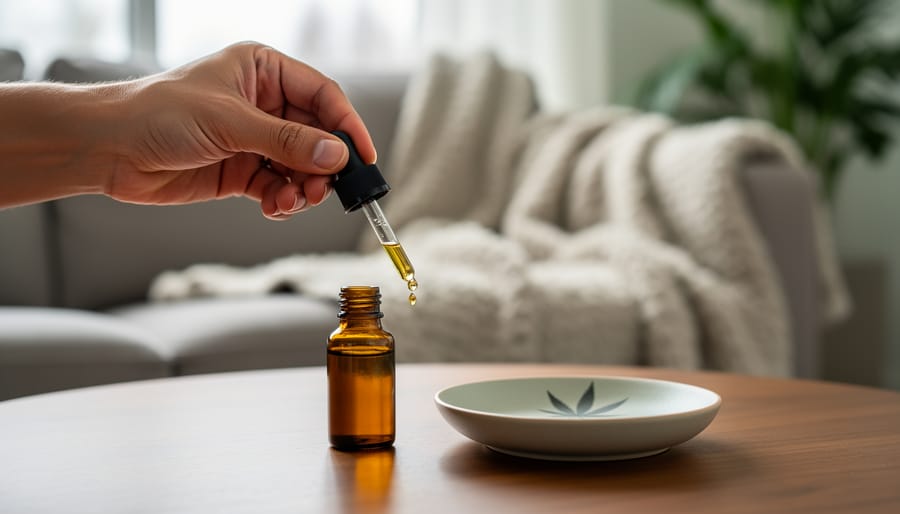
I’ll be straight with you: I spent three years dismissing CBD hemp oil as overhyped wellness nonsense until chronic shoulder pain from a skateboarding injury had me desperate enough to try it. Within two weeks of consistent use, I was sleeping through the night for the first time in months, and the constant inflammation that made lifting my arm above my head feel like grinding glass had backed off enough that I could actually enjoy a session without wincing. That personal conversion sent me down a rabbit hole of research, community conversations, and interviews with both long-time users and medical professionals who’ve watched this stuff move from fringe alternative to legitimate therapeutic tool.
The benefits are real, but they’re also wildly misunderstood. CBD hemp oil works with your endocannabinoid system to regulate everything from pain perception to mood stability, which is why some people swear it saved their sanity during anxiety spirals while others find it transforms their arthritis management. The challenge isn’t whether CBD works; it’s understanding how it works for your specific situation, what quality actually looks like in a market flooded with garbage products, and how to navigate Canada’s unique legal landscape without getting ripped off or accidentally buying something that’ll do nothing.
This isn’t another recycled listicle promising miracle cures. We’re breaking down the science-backed benefits with real experiences from the community, comparing consumption methods so you know whether tinctures or vapes make sense for your needs, and giving you the straight goods on sourcing quality products in 2026 without the usual corporate-sponsored BS.
Why CBD Hemp Oil Became the Talk of the Cannabis Community
I remember the first time someone in our vaping circle actually explained what CBD hemp oil was. We’d all been chasing clouds with THC carts for years, but here was this whole other side of the cannabis plant that wasn’t about getting lifted at all. It clicked when my buddy who’d switched from combustion showed me his setup: same basic vaping hardware, completely different experience, zero psychoactive effects. That conversation happened everywhere in the cannabis community around the same time, and suddenly CBD hemp oil went from niche wellness product to something every dispensary carried.
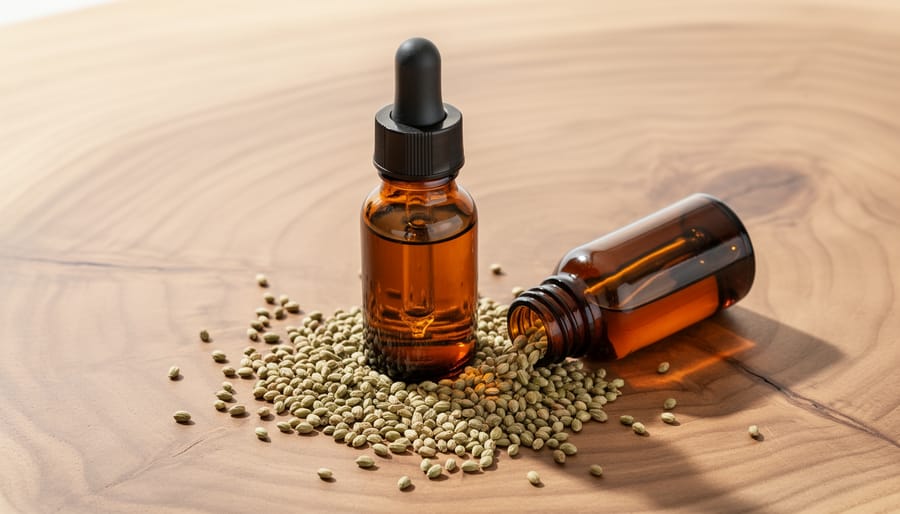
CBD hemp oil is essentially concentrated cannabidiol extracted from cannabis plants, usually hemp varieties bred to stay under 0.3% THC. The CBD vs THC distinction matters because it determines whether you’re consuming for therapeutic potential or recreational effects. Hemp-derived and cannabis-derived CBD are chemically identical; the source plant just dictates the surrounding cannabinoid profile and legal classification. In Canada’s framework, both fall under the Cannabis Act regardless of THC content, which confuses people who assume “hemp” means different rules.
- CBD Isolate
- Pure cannabidiol with all other cannabinoids, terpenes, and plant compounds removed. Popular for vaping because it’s flavourless and lets you control exactly what you’re inhaling.
- Full-Spectrum Hemp Oil
- Contains CBD plus minor cannabinoids, terpenes, and trace THC (under legal limits). Often preferred for oral consumption where the “entourage effect” supposedly enhances benefits, though vaping it gives faster absorption.
- Broad-Spectrum
- Middle ground with terpenes and other cannabinoids present but THC completely removed. Works well for vapers who want flavour complexity without any THC risk.
- Terpenes
- Aromatic compounds that give cannabis its smell and potentially contribute to effects. Critical consideration for vaping since some terpene additives aren’t safe to inhale at high temperatures.
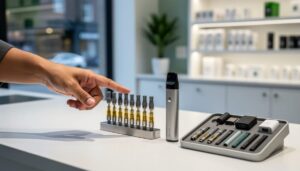
The vaping enthusiast angle is where CBD hemp oil really found its footing. You can vape CBD isolate or specially formulated e-liquids using the same mods and pod systems we’d been using for years. Oral tinctures work too, dropped under the tongue, but absorption takes 30 to 90 minutes versus the near-instant effects from vaping. That speed difference matters when you’re managing acute anxiety or post-gym inflammation. Recreational users appreciated having a non-intoxicating option for social situations, while medicinal folks valued daytime relief without cognitive impairment.
What drove adoption wasn’t just versatility. It was legitimacy. Licensed dispensaries started stocking quality CBD products with transparent cannabinoid profiles, third-party testing (when manufacturers chose to provide it), and extraction method details. The community stopped treating CBD like snake oil and started sharing real experiences: this tincture helped someone’s arthritis, that vape cartridge took the edge off without couch-lock. When your trusted budtender or vaping forum veterans vouch for something, it carries weight mainstream wellness marketing never could.
The Real Benefits People Are Actually Experiencing
Pain and Inflammation Relief Without the High
I’ll be honest: the first time I used CBD hemp oil for my lower back pain, I expected exactly nothing. I’d spent months cycling through THC strains that either knocked me flat or barely touched the discomfort. My dispensary connection suggested a high-CBD tincture, and within three days of consistent 25mg doses, I could bend down to tie my shoes without wincing. No couch-lock, no high, just functional relief.
That experience mirrors what I’ve heard from dozens of folks in the cannabis community dealing with chronic pain. CBD interacts with your endocannabinoid system differently than THC, targeting inflammation pathways without the psychoactive effects that complicate daytime use or workplace compliance. A friend who runs ultramarathons swears by CBD oil post-race, applying it topically and taking 50mg orally to manage the inevitable joint inflammation. She’s tested it against ibuprofen and prefers the CBD because it doesn’t wreck her stomach.
The key is consistency and realistic expectations. You’re not erasing pain entirely, you’re dialing it down from an eight to a manageable four or five. For inflammation specifically, I’ve seen the best results when people stick with daily dosing for at least two weeks rather than treating it like on-demand pain relief. And because you’re clear-headed, you can actually go about your day instead of melting into the couch wondering where the afternoon went.
Anxiety, Sleep, and Mental Wellness Applications
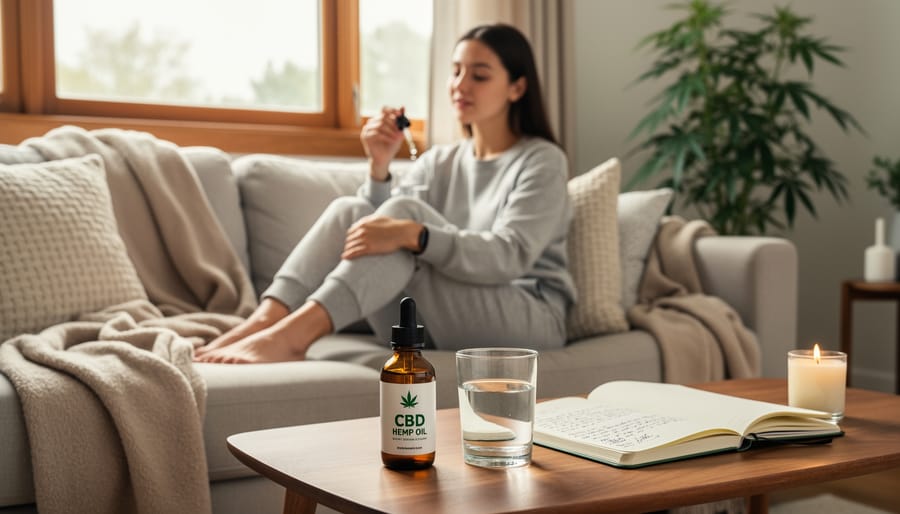
I’ve heard from dozens of people in the community who swear CBD helped them finally get consistent sleep, and honestly, my own experience backs that up. After years of lying awake replaying conversations at 2 AM, a dropper of CBD oil an hour before bed genuinely helped quiet that mental noise. That said, everyone’s mileage varies wildly here, and dosing is where most people either find their sweet spot or give up too soon.
The anxiety piece is trickier to nail down. Some folks report a noticeable calm without feeling sedated, while others feel nothing at their initial dose and quit before adjusting upward. One friend who manages social anxiety started at 10mg and felt zero effect, bumped to 25mg, and finally found relief around 40mg before events. Another person I know gets jittery above 15mg. There’s no universal formula, which is frustrating when you’re trying to figure out what works.
Sleep improvements tend to show up faster than anxiety relief in my experience. You might notice better sleep quality within a week, but the mental wellness benefits often take consistent use over several weeks to materialize. Start low, maybe 10-15mg, and give it at least two weeks at each dose before deciding it’s not working. Track how you feel rather than expecting a dramatic shift overnight. And if you’re managing diagnosed mental health conditions, CBD shouldn’t replace your treatment plan, just potentially complement it after talking with your doctor.
What CBD Hemp Oil Won’t Do (Cutting Through the Hype)
Look, I get it. When you’re scrolling through Reddit or chatting at the dispensary, you hear wild claims about CBD curing everything from hangovers to heartbreak. Time for some honesty from someone who’s been in this space awhile.
CBD hemp oil won’t cure serious diseases, period. It’s not a replacement for prescribed medication, and anyone suggesting you ditch your insulin or antidepressants for a tincture is either misinformed or trying to scam you. The research simply doesn’t support those claims, no matter how many wellness influencers say otherwise.
It won’t get you high, either. That’s the point, but some folks still expect some kind of buzz and end up disappointed. If you’re chasing psychoactive effects, you’re looking at the wrong cannabinoid.
Here’s the reality check most marketing conveniently skips: CBD affects everyone differently, and for some people, it doesn’t do much at all. I’ve had buddies swear by it for their back pain while others felt absolutely nothing after weeks of consistent use. That’s normal, not a sign you bought bunk product.
And those miracle transformation stories you see online? Treat them like you’d treat any internet testimonial, with healthy skepticism. Real benefits exist, but they’re usually subtle improvements over time, not overnight transformations.
How Canada’s Legal Landscape Actually Works in 2026
Where You Can (and Can’t) Buy CBD Hemp Oil Right Now
Here’s the honest reality: in 2026, if you want CBD hemp oil in Canada, you need to buy from provincially licensed retailers. Full stop. There’s no grey area here, no hemp shop loophole, no “it’s just CBD so it’s different” exception. Under the Cannabis Act that came into force in 2018, anything containing cannabis-derived CBD falls under the same regulatory umbrella as THC products, which means you can only legally purchase it through your province’s licensed cannabis retail system.
I know it feels weird walking into the same dispensary where someone’s buying an ounce of flower just to grab a CBD tincture, but that’s how the framework operates right now. Whether you’re shopping at a brick-and-mortar store or ordering through your provincial online system, the retailer needs to hold a valid license. This isn’t about being overly cautious – it’s literally the only legal option for accessing these products.
Now, here’s where things get interesting: Health Canada launched a consultation process proposing to move CBD products out of the Cannabis Act and into the Natural Health Products framework instead. If that change goes through, you’d eventually see CBD hemp oil on regular retail shelves with proper health claims and clearer labeling. But that’s a proposal, not current reality. Until the regulations actually change, stick with licensed cannabis retailers and don’t risk sketchy unlicensed sources that could land you with substandard or mislabeled products.
Why CBD Products Can’t Make Health Claims (Yet)
Here’s the thing that frustrates a lot of people in the cannabis community: you can walk into a licensed dispensary right now and buy CBD hemp oil, but the product label won’t tell you a damn thing about what it might actually do for you. That’s not the retailer being cagey. It’s the Cannabis Act.
Under current federal law, any product containing CBD falls under cannabis regulations, which means manufacturers face strict promotional restrictions. They can’t make health claims, can’t suggest therapeutic benefits, and can’t even hint at what people in our community have been experiencing for years. The packaging tells you cannabinoid content and dosage, but legally speaking, that’s about it.
This creates a weird disconnect where everyone from your vape shop buddy to online forums shares real experiences with pain relief or better sleep, but the actual product sits on the shelf completely silent about potential benefits. No pre-market safety review is required either, which adds another layer of “figure it out yourself” to the whole situation.
The good news? Health Canada is actively consulting on a proposed Natural Health Products framework specifically for CBD. If implemented, this would shift CBD products out of the Cannabis Act and into regulated health product territory, allowing manufacturers to make evidence-backed health claims while requiring proper safety evaluations. For human use, CBD would become a recognized medicinal ingredient under existing Natural Health Products Regulations.
That regulatory shift could happen within the next couple of years, finally bridging the gap between what the community knows and what companies can legally communicate.
Your Practical CBD Hemp Oil Purchasing Guide for 2026
What to Look for When Shopping at Licensed Retailers
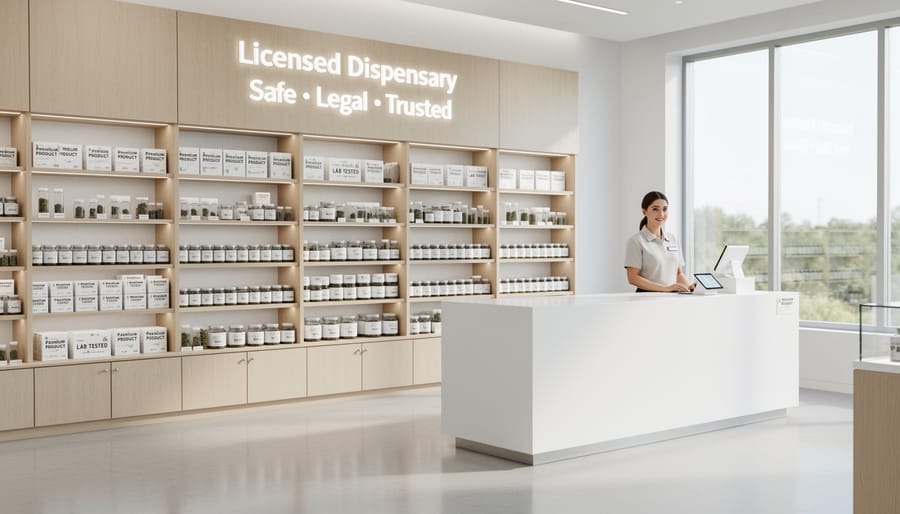
Walking into a licensed cannabis retailer can feel overwhelming when you’re staring at a wall of CBD products with minimal labeling. Here’s what I actually check before buying.
Start with sourcing transparency. Ask budtenders where the hemp or cannabis was grown and how it was processed. Reputable retailers can tell you whether products come from Canadian-licensed producers or approved international sources. If they shrug or dodge, that’s a red flag. I’ve learned to trust stores where staff genuinely know their supply chain, not just the shelf placement.
Look for third-party cannabis lab testing results when available. Canada doesn’t mandate pre-market safety reviews for Cannabis Act products, so brands that voluntarily test for potency, contaminants, and residual solvents are doing you a favor. Some retailers display certificates of analysis on request. If testing info exists, verify the cannabinoid profile matches what’s on the label, especially CBD and THC content.
Speaking of cannabinoid profiles, clarity matters. The label should state exact milligrams of CBD per dose, not vague percentages or ranges. Total package content, serving size, and whether it’s full-spectrum, broad-spectrum, or isolate should be obvious. Full-spectrum includes trace THC and other cannabinoids, broad-spectrum strips out THC but keeps other compounds, and isolate is pure CBD. Each hits differently.
Extraction method reveals quality too. CO2 extraction is the gold standard, producing cleaner oil without harsh chemical residues. Ethanol extraction works but requires more refinement. If the product lists butane or propane extraction without further purification steps, I skip it. Budtenders at decent shops know which brands use which methods.
Because the Cannabis Act bans health claims, you won’t see benefits listed on packaging. That’s actually protection against snake oil. Instead, evaluate based on what’s measurable: ingredient transparency, testable purity, and retailer knowledge. The stores that prioritize these factors typically carry better products.
Dosing and Consumption Methods That Actually Work
Start low, stupid low. I tried 10mg of CBD oil my first time and felt nothing, doubled to 20mg the next day and slept like the dead. That’s the learning curve everyone faces because there’s no universal dose chart – your ideal amount depends on body weight, metabolism, what you’re treating, and a dozen other variables the licensed retailers can’t legally advise you on.
Most people in the community find their sweet spot between 10mg and 50mg daily, but the only way to discover yours is methodical titration. Take the same dose at the same time for three days minimum before adjusting upward by 5-10mg increments. Track how you feel in a notes app because the effects can be subtle enough that you won’t notice improvements until you look back at a week’s worth of entries.
The methods of consuming cannabis matter more than most beginners realize. Sublingual tinctures hit fastest, usually within 15-30 minutes, making them ideal for acute anxiety or pain management when you need predictable timing. Capsules take 60-90 minutes but provide longer-lasting effects, which works better for sleep or all-day inflammation control. Vaping CBD e-liquid delivers near-instant results but requires proper equipment and shorter redosing intervals.
If you’re going the vaping route, temperature control matters. Most experienced users keep their devices between 160-180°C for CBD preservation without combustion. Higher temps degrade cannabinoids into compounds you don’t want, lower temps won’t vaporize efficiently. The convenience factor is real, but you’ll burn through product faster than sublingual dosing.
My honest recommendation after three years using CBD products? Start with a quality sublingual oil from a licensed retailer, stick with 15mg twice daily for a week, then adjust based on actual results rather than impatience. Keep a simple log. Trust the process more than the hype.
Navigating Provincial Differences and Online Options
Canada’s provincial cannabis systems each run their own show, which makes buying CBD online surprisingly straightforward once you know which provincial retailer handles your region. Ontario Cannabis Store, BC Cannabis Stores, SQDC in Quebec, AGLC in Alberta, they’re all authorized to ship CBD hemp oil directly to your door. I’ve ordered from three different provinces while traveling, and the experience stays consistent: government-operated sites or approved private retailers, age verification at delivery, discreet packaging that doesn’t advertise what’s inside.
Retail availability varies more than you’d think. Alberta has privatized brick-and-mortar stores everywhere, while Quebec limits you to SQDC locations. British Columbia offers both government and private options. Ontario’s shifted heavily toward private retail with hundreds of stores, but online through OCS remains the easiest route for comparing products. Prices fluctuate between provinces based on tax structures and markup policies, so cross-border shopping within Canada actually makes sense if you’re near a provincial line.
The actual purchasing process in 2026 feels less sketchy than it did even two years ago. Licensed retailers have cleaned up their inventory presentation, staff training has improved, and the selection has expanded beyond basic oils to include different concentrations and carrier oil options.
Real Talk: Connecting with Quality Suppliers and Avoiding Sketchy Products
After years of navigating Canada’s cannabis retail scene, I’ve learned that finding quality CBD products comes down to relationships and community knowledge more than flashy marketing.
I caught up with Marcus Chen, who’s managed a Toronto dispensary since legalization, about what separates legitimate operations from questionable ones. “Licensed retailers have staff who actually understand cannabinoids,” he told me. “We get detailed product info from licensed producers, even if we can’t make health claims on the floor. If someone’s giving you vague answers or pushing whatever has the highest margin, walk out.”
The red flags are usually obvious once you know what to look for. Any retailer operating outside the provincial licensing system is breaking the law, period. Within legal channels, watch for staff who can’t explain extraction methods, sourcing origins, or cannabinoid profiles. Reliable places display their provincial license prominently and connect you with producers’ batch information when available.
Your best resource is the cannabis community itself. The vaping and medicinal users I know share retailer recommendations constantly. Check local forums, cannabis-focused subreddits for your province, and ask fellow consumers at events or gatherings. Personal experience counts for more than any advertisement.
One trick Marcus shared: ask about their return policy and how they handle quality concerns. “Good retailers stand behind what they sell, even when regulations don’t require it,” he explained. Places that dodge accountability questions or pressure you into purchases aren’t worth your time or money.
The community knowledge network extends beyond retail too. Connect with experienced users who’ve tried different formats and brands. Their real-world feedback on effects, consistency, and value beats corporate claims every time.
Looking back at where we started, navigating confusing regulations while genuinely curious about whether CBD hemp oil could deliver real relief, the path forward is clearer now. The benefits are real for many people, backed by both emerging research and thousands of community experiences with pain, anxiety, sleep, and recovery. But accessing quality products in Canada still means working within the licensed retail system, even as Health Canada’s proposed framework could reshape how we buy CBD in the coming months.
Start low with your dosing, stick with licensed sources who can answer your questions, and tap into the cannabis community for honest product recommendations. The regulatory landscape is shifting toward broader access while keeping safety standards intact, which benefits all of us. Whether you’re vaping, taking oil drops, or experimenting with different formats, give it time and track what actually works for your body. The conversation around CBD hemp oil isn’t hype anymore, it’s part of how we’re managing wellness in 2026.