
Why Most Vape Reviews Lie to You (And How to Spot the Real Ones)
14 min read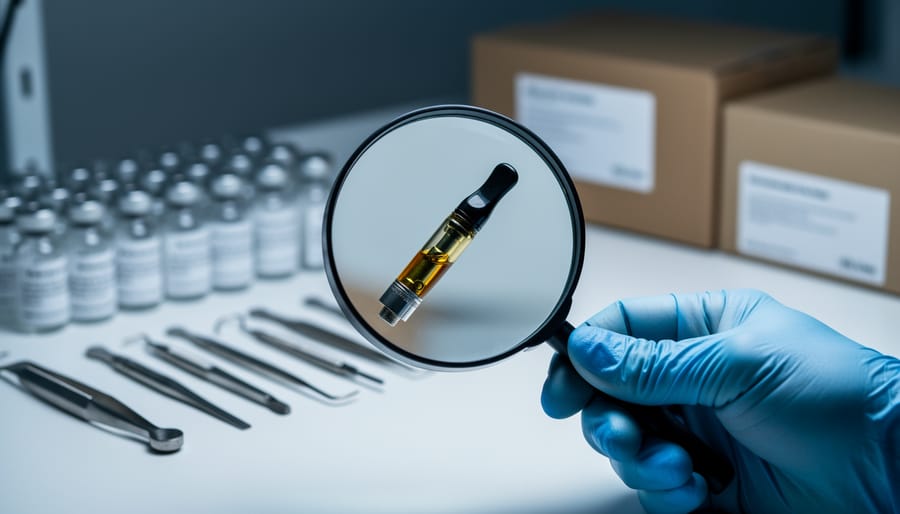
Check review dates and patterns before trusting any cannabis vape assessment. Legitimate reviews arrive sporadically over weeks or months, while fake ones cluster within days, often using suspiciously similar phrasing. Compare the reviewer’s description of vapor quality, flavor accuracy, and hardware performance against multiple independent sources.
Cross-reference product claims with third-party lab testing results. Too many brands manipulate their own review sections while burying independent test data that reveals pesticides, heavy metals, or inaccurate potency labels. I learned this the hard way after trusting glowing reviews for a cartridge that leaked within two days and produced harsh, chemical-tasting vapor that irritated my throat for hours.
Identify reviewers who discuss both strengths and weaknesses. No vape device or cartridge performs perfectly across all categories. Authentic evaluations acknowledge trade-offs like battery life versus portability, or ceramic heating elements that preserve flavor but require longer heat-up times. When someone claims a product has zero downsides, they’re either lying or getting compensated.
The cannabis vaping industry has a trust problem. Sponsored content masquerades as objective analysis. Affiliate commissions incentivize recommending expensive products over effective ones. Safety concerns get minimized when they should be front and center. You deserve better than marketing disguised as guidance, especially when your health and money are at stake.
This article exposes the tactics dishonest reviewers use, teaches you to spot manipulation instantly, and connects you with verification methods that work. You’ll learn exactly what separates paid promotion from genuine assessment, which red flags demand immediate skepticism, and where to find sources that prioritize your safety over their commission checks.
The Problem with Product Reviews in the Cannabis Vaping Industry
Financial Incentives That Compromise Honesty
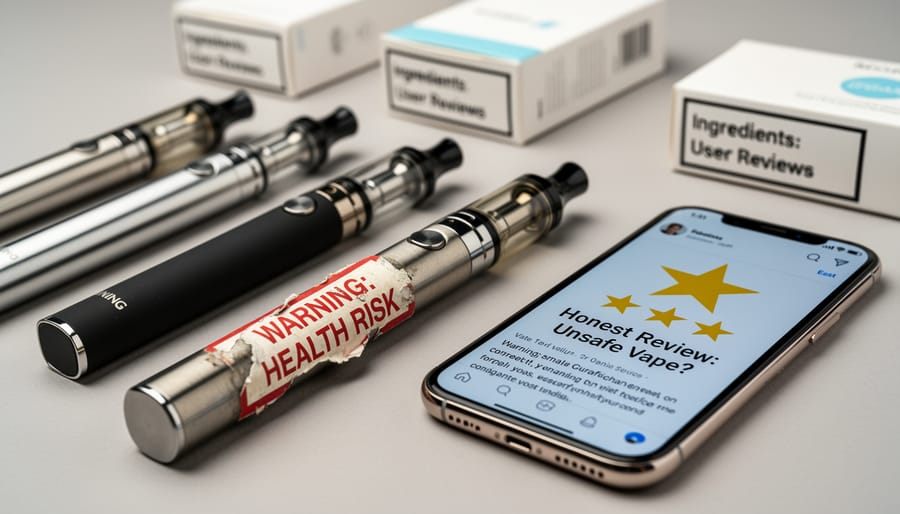
Let’s be real about what’s happening behind the scenes. When I first started reviewing vaporizers, I quickly realized how many reviewers were essentially acting as salespeople rather than honest critics. The financial incentives are significant and can absolutely compromise integrity.
Affiliate commissions are probably the biggest culprit. When a reviewer earns 10-15% of every sale they generate through their link, there’s enormous pressure to paint products in the best possible light. I’ve seen reviewers glossing over serious issues like poor battery life or harsh vapor quality because a negative review means losing hundreds or even thousands in commission. The problem intensifies when someone becomes financially dependent on these payouts to cover their costs.
Sponsored posts take this further. A manufacturer might pay anywhere from a few hundred to several thousand dollars for a “review” that’s really just branded content. I was once offered $500 to review a cheap dry herb vape that I knew had airflow problems, with the understanding that my coverage would be “favorable.” I declined, but many don’t.
Manufacturer partnerships create the subtlest but perhaps most insidious bias. When you’re getting free products, invited to industry events, or cultivating relationships with brand reps, there’s psychological pressure to maintain those connections. You start pulling punches, emphasizing positives while downplaying negatives, because burning bridges means losing access.
The solution isn’t avoiding all reviewers with affiliate links, it’s finding those who demonstrate consistency, criticize when warranted, and disclose their relationships transparently.
The Safety Stakes Are Higher with Cannabis Vapes
When I talk to friends who are new to cannabis vaping, I always stress this point: cutting corners on vape hardware isn’t like buying cheap headphones. With headphones, you might get tinny sound. With vapes, you’re potentially inhaling harmful materials directly into your lungs.
The reality is that inferior batteries can overheat or even explode, while low-quality heating elements may release heavy metals like lead or cadmium when heated. I learned this the hard way after experiencing throat irritation from a budget pen that seemed like a great deal online. After some research into the hidden health risks of vaping, I realized that cheap plastic housing and questionable coil materials were likely the culprits.
This is exactly why honest reviews are critical in our space. A misleading five-star review on a device with sketchy components isn’t just wasting your money, it’s potentially compromising your health. When reviewers gloss over construction quality or fail to mention what materials are actually touching your concentrate, they’re doing a real disservice. You deserve to know whether that cartridge uses ceramic or metal coils, food-grade materials or mystery plastics, and whether the brand has any third-party testing to back up their safety claims.
Red Flags: How to Spot Dishonest Vape Reviews
Language That Reveals Bias
When I first started reviewing vape cartridges, I noticed certain words popping up everywhere—”revolutionary,” “game-changer,” “perfect”—and honestly, they made my BS detector go off. Real talk: nothing in the cannabis vaping world is perfect, and anyone claiming otherwise is probably getting paid to say it.
Genuine reviews include nuanced language. You’ll see phrases like “works well for my needs” or “I noticed some drawbacks with temperature control.” Marketing disguised as reviews leans heavily on superlatives without substance. Words like “amazing,” “incredible,” and “flawless” raise red flags when they’re not backed by specific details about performance, flavor profiles, or battery life.
I interviewed Sarah Chen, a budtender with eight years of experience, who pointed out another telltale sign: “When someone says a product is ‘life-changing’ but can’t explain why beyond vague statements, that’s advertising language, not assessment.”
Watch for reviews that never mention a single negative aspect. Even top-tier devices have trade-offs—maybe the vapor quality is excellent but the price point is steep, or the flavor is on point but battery life could be better. A reviewer who acknowledges these realities is giving you actual information you can use.
Also be wary of phrases like “you need this” or “everyone should buy.” Honest reviewers present information and let you decide based on your specific needs, whether that’s discreet medicinal use or cloud-chasing recreation. The language should inform, not command your wallet.
Missing Information and Testing Details
When I’m evaluating a new vaporizer or cannabis product, I always look for reviews that show someone actually put in the work. Genuine reviewers don’t just unbox something and immediately declare it amazing. They tell you about their testing process, and that transparency matters.
Honest reviews typically include specific testing methodology. A trustworthy reviewer might explain they used the device daily for two weeks, tested it with different strain types, or compared temperature settings across multiple sessions. They’ll mention how many times they cleaned it, whether battery life held up after repeated use, and if vapor quality changed over time. I remember reading a review where someone tested a portable vape over a month-long road trip—that kind of real-world usage tells you way more than a first-impression review ever could.
Comparison points are another hallmark of legitimate reviews. Quality reviewers place products within context, discussing how a new vape stacks up against similar models in the same price range. They might note that while Device A has better battery life, Device B offers superior flavor or easier maintenance. This comparative framework helps you make informed decisions based on your priorities.
What dishonest reviews consistently omit is anything negative or nuanced. They skip long-term performance data, ignore how products hold up after the honeymoon phase, and never mention whether customer service responded when issues arose. Fake reviews also rarely include specifics about draw resistance, actual vapor production, or how different cannabis products perform in the device. If a review reads like a features list without real testing insights, that’s your red flag to keep scrolling.
The Disclosure Test
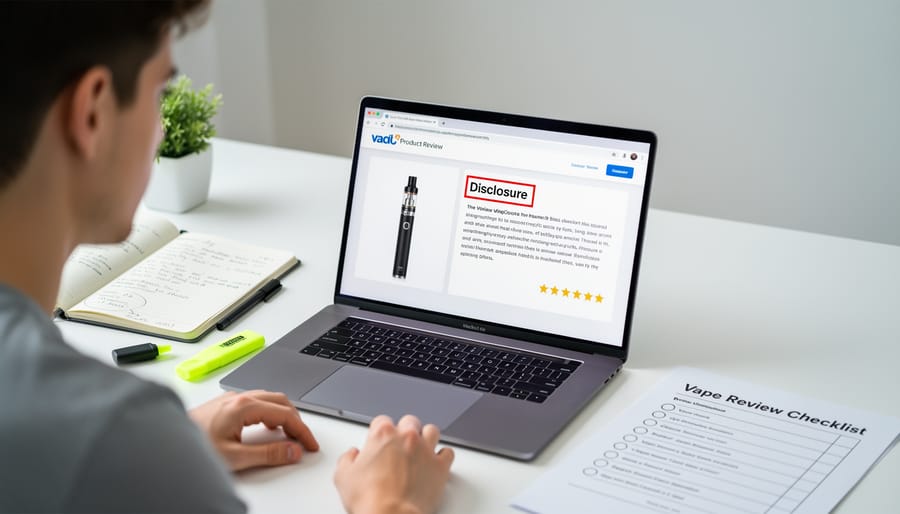
Before you trust any vape review, look for the disclosure. Legitimate reviewers are legally required to reveal their relationships with brands, and this transparency tells you a lot about their motivations. When I first started reviewing, I learned that honest disclosure isn’t just about legal compliance—it’s about respecting your intelligence as a reader.
Check the top or bottom of reviews for statements like “affiliate links” or “sponsored content.” Quality disclosures explain exactly what compensation the reviewer receives, whether it’s commission on sales, free products, or direct payment. I’ve received countless free vaporizers over the years, and I always disclose this upfront because you deserve to know.
Here’s what matters more than the disclosure’s existence: how the reviewer talks about products despite those relationships. If someone only recommends the brands they’re affiliated with, that’s a red flag. Trustworthy reviewers criticize sponsored products when warranted and recommend competitors when appropriate. I once gave a scathing review to a device from a company I had an affiliate relationship with—they weren’t happy, but my readers deserved the truth. That’s the standard you should expect from any reviewer asking for your trust and money.
What Makes a Cannabis Vape Review Genuinely Honest
Transparency About Relationships and Incentives
Here’s the thing about honest reviews: they start with complete transparency about relationships and incentives. When I review a vaporizer or cannabis product, I’m upfront about how I obtained it—whether I purchased it myself, received it for free from a manufacturer, or have any affiliate relationship with the brand. This disclosure should appear right at the beginning of any review, not buried in fine print.
Trustworthy reviewers understand that free products or compensation don’t automatically invalidate their opinions, but readers deserve to know the context. I’ve personally tested devices both ways—buying with my own money and accepting review samples—and I’ve found my assessments remain consistent because my reputation depends on it.
Financial relationships aren’t inherently problematic, but concealing them is. Look for reviewers who clearly state their income sources, whether through affiliate links, sponsorships, or advertising. When someone tells you upfront that they might earn a commission if you purchase through their link, that’s actually a green flag. It shows they respect your intelligence enough to let you decide how that might influence their perspective. The sketchy reviewers are those who hide these connections while pushing specific products hard.
Balanced Pros and Cons Analysis
When I’m evaluating a new vaporizer or cartridge, I’ve learned that the most trustworthy reviews are the ones that don’t shy away from mentioning shortcomings alongside the benefits. A genuine review of a desktop vaporizer, for instance, might praise its exceptional vapor quality and precise temperature control while honestly noting that the heat-up time is longer than competitors or that the glass components are fragile. These specific observations tell me the reviewer actually used the product extensively.
I remember reading a review about a popular 510-thread battery that detailed exactly how many draws you could get before needing a recharge (around 150 in their testing) and mentioned that the lowest temperature setting still ran hotter than advertised, causing some terpene loss. That level of specificity is invaluable. Compare that to vague praise like “amazing battery life” or “perfect temperature” without any context or measurements.
The same principle applies to cannabis products themselves. A balanced review might highlight a particular strain’s effectiveness for anxiety relief while noting it caused dry mouth more severely than other options, or that the flavor profile changed noticeably in the final third of the session. These real-world details, both positive and negative, demonstrate the reviewer’s credibility and help you make informed decisions based on what matters most to your needs.
Real-World Testing Over Specifications
Here’s the thing about spec sheets: they tell you what a vaporizer can do in a lab, not what it actually does when you’re using it daily. I learned this the hard way after buying a device with impressive temperature range specs that couldn’t maintain consistent heat during a typical session.
Genuine reviews should discuss real-world performance over weeks or months, not just unboxing impressions. How does the battery hold up after 50 charging cycles? Does the flavor quality degrade after heavy use? Can you actually clean it as easily as the manufacturer claims?
I once interviewed a reviewer who tests cannabis vaporizers for six months minimum before publishing. He told me, “The differences between good and mediocre devices only show up after you’ve lived with them.” That stuck with me.
Look for reviews that mention practical details: how the device fits in your routine, whether materials discolor or crack over time, and how customer service handles warranty issues. A trustworthy reviewer shares both the honeymoon phase and the long-term relationship reality, including those annoying quirks that only surface after regular use.

Where to Find Trustworthy Cannabis Vape Reviews
Community-Driven Review Platforms
Some of the most honest conversations about cannabis vaping happen in community-driven spaces like Reddit, Discord servers, and specialized forums. I’ve found that communities such as r/vaporents and r/oilpen offer refreshingly unfiltered perspectives because users aren’t selling anything—they’re just sharing real experiences, often with photos of their actual setups.
What makes these platforms valuable is the collective knowledge. When someone asks about a specific vaporizer or cartridge brand, you’ll typically get multiple responses from people who’ve actually used the product, not just copied manufacturer specs. I remember researching a popular portable vape and finding a Discord thread where users documented a common battery issue the company hadn’t acknowledged—that saved me from a frustrating purchase.
The conversational nature of these spaces also means you can ask follow-up questions and get clarification. However, remember that opinions vary widely based on individual preferences and tolerance levels. Look for consensus across multiple users rather than relying on a single enthusiastic review. These communities excel at calling out overhyped products and sharing warnings about safety concerns, making them an essential complement to formal review sites when you’re doing your research.

Independent Reviewers Worth Following
The most trustworthy individual reviewers share several key traits that set them apart from the noise. First, they’re transparent about their testing methodology, explaining exactly how they evaluated a product over multiple sessions rather than rushing to judgment. They’re also upfront about any products they received for free, though the best ones purchase items themselves whenever possible. Most importantly, reliable reviewers aren’t afraid to criticize products, even from popular brands.
I discovered my go-to vape reviewer completely by accident during a frustrating search for cartridge recommendations. After watching several overly enthusiastic videos that felt more like commercials, I stumbled across someone who spent the first three minutes discussing a popular brand’s quality control issues before even getting to the review. That honesty immediately caught my attention. What sealed the deal was their detailed breakdown of why certain terpene profiles worked better for specific effects, drawing from both personal experience and research.
Look for reviewers who maintain consistent posting schedules without seeming to promote whatever’s newest. They should acknowledge their preferences and biases upfront, and most valuably, they engage thoughtfully with their audience’s questions rather than dismissing concerns. The cannabis vaping community benefits most from reviewers who prioritize education over entertainment, helping you understand not just what to buy, but why.
Cross-Referencing Multiple Sources
Never rely on a single review source when making purchasing decisions about vape products. I learned this lesson the hard way after buying a highly-rated cartridge that turned out to be mediocre at best. The key is comparing at least three to five different platforms—Reddit communities, independent review sites, manufacturer websites, and retailer pages—to spot consistent patterns.
Pay attention to recurring themes across sources. If multiple reviewers mention the same flavor profile, battery life issues, or vapor quality, you’re likely getting accurate information. Conversely, if one glowing review stands alone while others are lukewarm, treat it skeptically. I’ve interviewed several cannabis product testers who emphasized that genuine quality shows up consistently across diverse reviewer experiences.
Watch for outliers on both extremes. That single five-star rave or one-star rant often reveals more about the individual reviewer’s preferences or bad luck than actual product performance. Cross-referencing helps you filter out sponsored content, fake reviews, and legitimate but highly subjective opinions, leaving you with a clearer picture of what to expect from your purchase.
How We Approach Product Reviews at Dnk Vaping Hub
At Dnk Vaping Hub, our review process isn’t just a formality—it’s a commitment we take seriously because your safety and satisfaction depend on it. We’ve built our methodology around one core principle: your trust matters more than any affiliate commission or brand partnership.
Every product that comes through our doors follows a rigorous evaluation process designed to give you the real story, not just the marketing spin. Here’s exactly how we approach each review:
- Product acquisition: We purchase most devices and cartridges with our own funds or accept samples only with full disclosure and zero obligations to provide positive coverage.
- Initial inspection: We examine build quality, packaging accuracy, and whether the product matches manufacturer claims before ever taking a first draw.
- Real-world testing: Each device gets put through at least two weeks of daily use across different settings, temperatures, and cannabis products to understand how it performs beyond the honeymoon phase.
- Comparative analysis: We evaluate the product against similar devices in its price range and category, considering value alongside performance.
- Documentation: We track battery life, flavor consistency, vapor quality, ease of maintenance, and any issues that emerge during extended use.
- Transparent publication: Our final reviews include both strengths and weaknesses, along with clear disclosure of how we obtained the product.
This systematic approach ensures consistency across all our reviews, but it’s also cost us opportunities. I remember when a major vaporizer brand offered us a substantial monthly retainer—we’re talking enough to cover my rent—in exchange for “featured coverage” of their new product line. The catch? They wanted approval rights over the content before publication.
I spent a sleepless night considering it. The money would’ve been life-changing for our small operation. But the moment I imagined recommending a subpar device to someone using cannabis for chronic pain management, the decision became crystal clear. We declined, and I wrote about the experience because you deserve to know when financial pressure might compromise other reviewers’ objectivity.
We also maintain strict separation between our editorial and business operations. Affiliate relationships are disclosed prominently, and they never influence our ratings or recommendations. If a product doesn’t meet our standards for safety, performance, or value, we say so plainly—even if it means losing potential commission.
You’ve made it this far, which tells me you’re serious about cutting through the noise and finding reviews you can actually trust. Here’s the truth: the cannabis vaping industry won’t fix itself overnight, and companies betting on your confusion aren’t going anywhere soon. But armed with what you now know about spotting fake reviews, identifying conflicts of interest, and recognizing genuine expertise, you’re no longer an easy target.
Every time you choose to dig a little deeper before hitting “add to cart,” you’re protecting both your health and your hard-earned money. I’ve watched too many people in our community get burned by cartridges that leaked, batteries that failed, or worse, products with questionable safety testing, all because a flashy five-star rating seemed convincing enough.
The power shift happens when we collectively demand better. Start asking the reviewers you follow about their testing methods, their relationships with brands, and their credentials. If they can’t provide clear answers, find someone who will. And here’s something I encourage everyone to do: share your own experiences honestly. When you buy a device that actually delivers, tell people. When a product disappoints, say that too. Your voice adds to the collective knowledge that helps newcomers avoid the mistakes we’ve already made.
The cannabis vaping community thrives on transparency and shared experience. Be the kind of consumer, and community member, who makes that possible. Your next purchase decision could be your smartest one yet.