Hemp-Derived Cannabis Vapes Are Changing Everything (Here’s What You Need to Know)
14 min read
Hemp-derived cannabis vape products are inhalable concentrates made from federally legal hemp that contain cannabinoids like delta-8 THC, delta-10 THC, HHC, and CBD, offering psychoactive or therapeutic effects without requiring a medical card or state cannabis license. Thanks to the 2018 Farm Bill, these products occupy a unique legal space, derived from hemp plants containing less than 0.3% delta-9 THC but often delivering effects comparable to Exhale Wellness gummies and other traditional cannabis products through alternative cannabinoids or hemp-derived delta-9 in compliant concentrations.
I first encountered hemp-derived vapes in 2021 when a friend handed me what looked like a standard cart but explained it was completely legal to order online. Skeptical, I tried it and was genuinely surprised by the smooth experience and noticeable effects. That moment sent me down a research rabbit hole that continues today, and I’ve since tested dozens of products, from premium gummies to cutting-edge live resin vape cartridges, while consulting chemists and manufacturers about what actually goes into these increasingly popular products.
The hemp-derived vape market has exploded since then, but that growth comes with serious quality concerns. Walk into any smoke shop and you’ll find shelves packed with colorful cartridges making bold claims, yet many contain mystery oils, synthetic additives, or cannabinoid concentrations that don’t match their labels. Dr. Amanda Chen, a cannabis chemist I interviewed last month, told me she’s seen contamination rates as high as 40% in untested products from certain manufacturers.
This guide cuts through the marketing hype to explain exactly what hemp-derived vapes are, how they differ from dispensary cannabis, which cannabinoids actually work, and most importantly, how to identify safe, effective products that deliver on their promises without risking your health.
What Makes Hemp-Derived Cannabis Vapes Different
The core difference between hemp-derived and marijuana-derived cannabis vapes comes down to one number: 0.3%. Under federal law, cannabis plants containing less than 0.3% Delta-9 THC by dry weight qualify as hemp, while anything with THC over 0.3% is marijuana. This seemingly arbitrary threshold creates a legal divide that has spawned an entire industry of hemp-derived vape products that occupy a regulatory gray zone between traditional cannabis and CBD.
Hemp-derived vapes leverage this distinction by extracting and concentrating cannabinoids that don’t fall under the same restrictions as Delta-9 THC. While marijuana dispensaries sell products with 70-90% Delta-9 THC content, hemp-derived vapes typically feature alternative cannabinoids like Delta-8 THC, HHC, or carefully measured amounts of Delta-9 that stay within legal limits. The cannabinoid profile differs substantially. Marijuana vapes prioritize high Delta-9 concentrations, often with terpenes and minor cannabinoids for the entourage effect. Hemp-derived products showcase a wider variety of compounds, some naturally occurring and others created through chemical conversion processes.
To navigate this landscape, you need to understand a few essential vape terms:
- Delta-9 THC
- The primary psychoactive compound in marijuana that produces the classic cannabis high. In hemp products, it must remain below 0.3% by dry weight.
- Delta-8 THC
- A hemp-derived cannabinoid with milder psychoactive effects than Delta-9, often created by converting CBD through chemical processes.
- CBD (Cannabidiol)
- A non-intoxicating cannabinoid found abundantly in hemp, known for potential therapeutic benefits without producing a high.
- THC-A
- The acidic precursor to THC that converts to Delta-9 when heated. Some hemp products exploit this conversion loophole for stronger effects.
The legal classification matters beyond federal law. Some states treat all THC equally regardless of source, banning hemp-derived products outright. Others embrace the federal framework, creating a patchwork of regulations that shift constantly. What’s legal to order online and vape in Oregon might land you in trouble in Idaho, even though both products technically comply with federal hemp standards.
The Cannabinoid Spectrum: What’s Actually in Your Vape
Delta-8 and Delta-9: Understanding the Differences
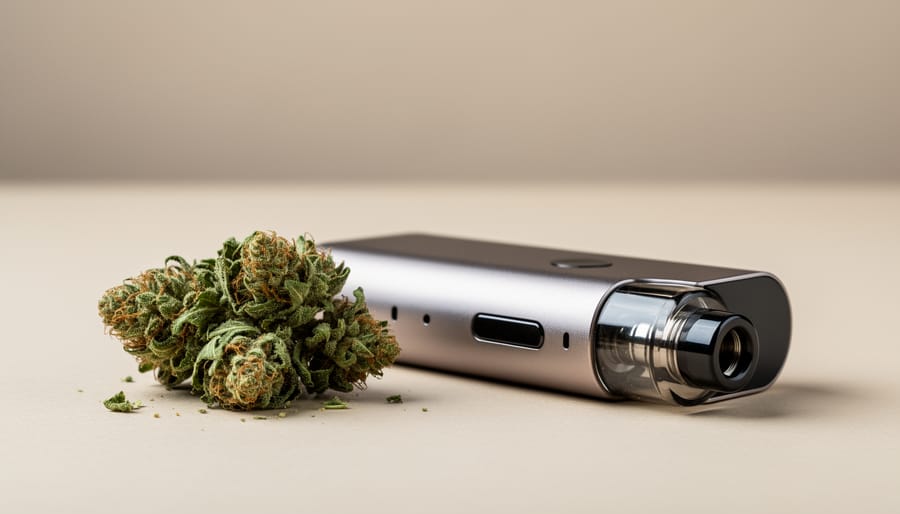
Delta-8 THC and Delta-9 THC are molecular cousins with subtle but significant differences. Delta-9 is the primary psychoactive compound in traditional cannabis, the one that produces the classic “high” most people associate with marijuana. Delta-8 shares a nearly identical chemical structure, with one crucial difference: the location of a double bond in its molecular chain.
That small structural variation translates to noticeably different effects. Delta-9 delivers a more intense, sometimes anxiety-inducing high, particularly at higher doses. Delta-8 offers what users often describe as a “smoother” experience, psychoactive enough to feel relaxed and euphoric, but typically with less mental fog and paranoia. When I first tried a Delta-8 vape after years of Delta-9 use, the difference was immediately apparent: clear-headed relaxation without the couch-lock or racing thoughts.
Legally, the distinction is everything. Hemp-derived Delta-9 vapes must contain less than 0.3% Delta-9 THC by dry weight, which limits their potency in most formats. Delta-8, however, exists in a legal gray zone, technically derived from legal hemp but processed through chemical conversion, which some states have explicitly banned despite federal hemp laws.
Consumers choose Delta-8 when they want milder effects, live in states with strict cannabis laws, or have had negative experiences with Delta-9’s intensity. Delta-9 fans prefer the full-spectrum potency and familiar effects. Neither is objectively “better”, it depends entirely on your tolerance, legal situation, and what kind of experience you’re seeking.
Minor Cannabinoids and Blends
Beyond Delta-8 and Delta-9, the hemp-derived vape market has exploded with minor cannabinoids that offer distinct experiences. I’ll be honest: the first time I tried an HHC blend, I wasn’t sure what to expect. The effects landed somewhere between Delta-8’s mellow buzz and Delta-9’s sharper edge, lasting slightly longer than either.
HHC (hexahydrocannabinol) has become remarkably popular for its stability and reported potency that rivals traditional THC. It occurs naturally in hemp seeds and pollen, though manufacturers typically create it through hydrogenation. THC-P (tetrahydrocannabiphorol) is the heavyweight newcomer, potentially 30 times more potent than Delta-9 at binding to CB1 receptors. Even experienced users should approach it cautiously, I learned this after underestimating a THC-P cartridge and spending an unexpectedly intense evening on my couch.
CBN (cannabinol) occupies the opposite end of the spectrum. This mildly psychoactive cannabinoid, formed as THC degrades, appears frequently in nighttime blends. Many users, myself included, find CBN-heavy vapes genuinely helpful for winding down without the racing thoughts that sometimes accompany stronger cannabinoids.
| Cannabinoid | Typical Effects | Potency Level | Best Use Cases |
|---|---|---|---|
| HHC | Balanced, mild euphoria | Moderate-High | Daytime use, social settings |
| THC-P | Intense, long-lasting | Very High | Experienced users, evening |
| CBN | Relaxing, sedating | Low-Moderate | Sleep support, stress relief |
Manufacturers increasingly combine these cannabinoids with terpenes and CBD to create targeted effects. A CBD-dominant blend with trace CBN might provide relaxation without noticeable intoxication, while an HHC-THC-P combination delivers a powerful punch. The key is understanding what each component contributes, then choosing formulations that match your tolerance and desired outcome.
How These Products Became Legal (And What That Means for You)
The 2018 Farm Bill fundamentally changed the cannabis landscape by legalizing hemp at the federal level, defining it as cannabis containing no more than 0.3% Delta-9 THC by dry weight. This seemingly simple threshold created an unexpected loophole that savvy manufacturers turned into an entire market of hemp-derived cannabis products.
Here’s what happened: companies realized they could extract and concentrate cannabinoids like Delta-8 THC, HHC, and other compounds from legal hemp, creating products that produce psychoactive effects without technically violating federal law. They could even include Delta-9 THC as long as it stayed under that 0.3% threshold by weight, which, in a 10-gram edible or vape cartridge, still allows for 30 milligrams of Delta-9, a substantial dose.
The result? A booming industry of Delta-9 legal alternatives that exist in what many call a regulatory gray area.
But federal legality doesn’t mean these products are legal everywhere. States have responded differently: some embraced the market with open arms, others banned specific cannabinoids like Delta-8, and many are still figuring out their stance. In 2026, you’ll find states where hemp-derived vapes are sold in gas stations and others where possession could land you in legal trouble.
Before you buy, check your state’s current laws. This market moves fast, and regulations change. What was legal last month might not be today. The lack of federal oversight also means quality varies wildly between manufacturers, which is why understanding what you’re buying matters more than ever.
The bottom line: these products occupy a unique space between fully legal CBD and state-regulated marijuana programs. That creates opportunities for access but also puts more responsibility on you as a consumer to understand both the legality in your area and the quality of what you’re purchasing.
Quality and Safety: What to Look For
Reading Lab Reports Like a Pro
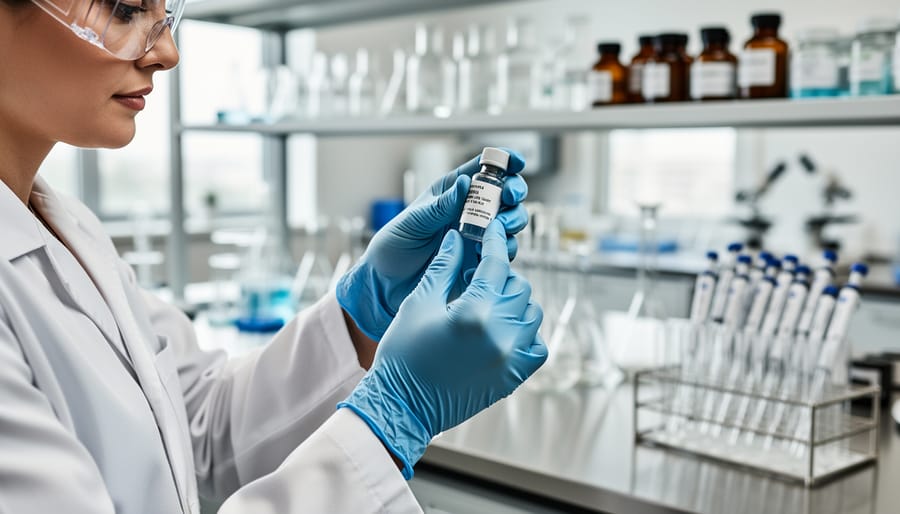
Lab reports can look intimidating at first glance, but they’re your best tool for verifying product safety and potency. I learned to read these backwards, starting with what could hurt you, then moving to what you’re actually buying.
Here’s what I check every single time, in order of importance:
- Verify the batch number on the COA matches your product packaging exactly. Mismatched numbers mean you’re looking at the wrong report.
- Check the test date, reports older than six months raise questions about how long the product has been sitting around.
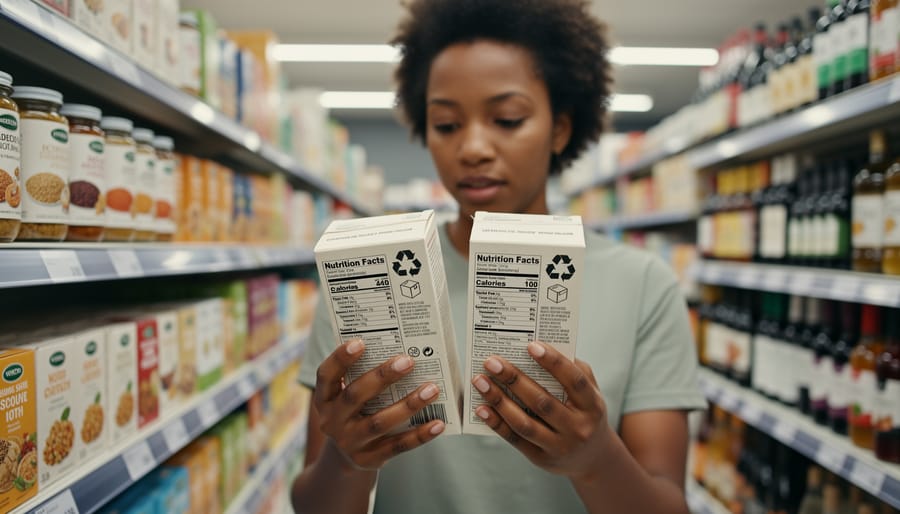
- Scan the contaminant panel first: pesticides, heavy metals (lead, arsenic, mercury, cadmium), residual solvents, and microbials should all show “ND” (not detected) or be well below the listed limits.
- Review cannabinoid potency to confirm the Delta-8, Delta-9, or other cannabinoids match the label claims within a reasonable margin (typically 10-15%).
- Look at the testing lab’s accreditation, ISO/IEC 17025 certification means they meet international standards for accuracy.
Sarah Chen, director of a licensed cannabis lab testing facility, told me the contaminant panel matters more than most consumers realize. “We’ve seen products with acceptable cannabinoid levels but dangerous pesticide concentrations. Heavy metals accumulate in your body over time, there’s no safe exposure level.”
The terpene profile, if included, tells you about flavor and potential effects but isn’t a safety concern. Some cheaper brands skip this section entirely to save on testing costs, which isn’t necessarily a red flag if the critical safety tests are present.
One trick: screenshot COAs when you find a brand you trust. If their reports suddenly become harder to access or the lab changes frequently, that’s worth questioning.
Extraction Methods and Why They Matter
The extraction method determines what ends up in your vape cartridge beyond just cannabinoids. CO2 extraction uses pressurized carbon dioxide to pull compounds from hemp. It’s clean, produces consistent results, and leaves minimal residue. The catch? It’s expensive, so brands using this method typically charge more.
Ethanol extraction involves soaking hemp in alcohol to strip out cannabinoids and terpenes. It’s efficient and cost-effective, but requires thorough purging afterward. Done right, it produces excellent concentrates. Done poorly, you’re inhaling residual solvents.
Hydrocarbon extraction (butane or propane) preserves more terpenes, creating flavorful products with robust effects. Quality matters here, professional equipment and proper purging are non-negotiable.
When talking to manufacturers, ask specific questions: What extraction method do they use? How do they remove solvents? Do their COAs test for residual solvents and heavy metals? If they dodge these questions or can’t explain their process clearly, that’s your cue to shop elsewhere. Reputable brands are transparent about their methods because they’re proud of their processes.
The best extraction method is the one properly executed with rigorous testing afterward.
The Vaping Experience: Effects and Expectations
When I first tried a hemp-derived Delta-8 vape after years of traditional cannabis use, I was genuinely surprised. The effects hit within minutes, faster than edibles, obviously, but with a noticeably different character than the Delta-9 THC I was accustomed to. That experience taught me something important: hemp-derived vapes deliver their own distinct experience, and setting proper expectations makes all the difference.
The onset speed remains consistent across cannabinoid types. You’ll typically feel initial effects within 2-5 minutes of inhaling, with peak intensity arriving around 15-30 minutes later. This rapid onset gives you control, you can start with one or two puffs and gauge how you feel before continuing. The total duration usually ranges from 1.5 to 3 hours, depending on the cannabinoid, your metabolism, and how much you consume.
What varies dramatically is the quality of the experience itself. Delta-8 tends to provide a clearer, more functional high than traditional Delta-9. I’ve written entire articles while vaping Delta-8 without the mental fog that sometimes accompanies marijuana. Many users describe it as “Delta-9 lite”, present and relaxed without feeling overwhelmed. Delta-9 hemp vapes (at legal 0.3% concentrations in full-spectrum products) create effects closer to traditional cannabis but often feel slightly gentler due to the entourage effect from other cannabinoids.
HHC falls somewhere between the two, offering moderate potency with a body-focused sensation. A friend who manages chronic pain told me HHC vapes provided relief without the pronounced head high, making them her daytime choice. THC-P, conversely, punches well above its weight, even small amounts can feel surprisingly potent, almost overwhelming for newcomers.
One consistent difference from traditional cannabis: hemp-derived vapes rarely produce the same intensity ceiling. Even with repeated use, they maintain a more manageable upper limit. Whether that’s a feature or limitation depends on what you’re seeking. For productivity and daytime use, that ceiling is exactly why I keep a Delta-8 vape in my desk drawer. For deep relaxation or sleep, I still reach for traditional options or CBN-heavy hemp blends that specifically target sedation.
Choosing the Right Product for Your Needs

Selecting the right hemp-derived vape comes down to matching the product with your specific situation, not just grabbing whatever’s trending online.
Start with your purpose. If you’re using these products recreationally, to unwind after work or enhance social experiences, you’ll want different cannabinoid profiles than someone managing chronic pain or sleep issues. Recreational users often prefer Delta-8 or balanced blends that deliver mild euphoria without overwhelming intensity, while medicinal users might lean toward CBD-dominant formulas with targeted cannabinoids like CBN for sleep or Delta-9 at legal limits for pain relief.
Your tolerance matters more than you think. Complete beginners should start with lower-potency options, typically CBD-heavy blends with minimal Delta-8, and stick to 1-2 puffs initially. If you’re switching from traditional cannabis, understand that hemp-derived products can hit differently, Delta-8 tends to be gentler than marijuana’s Delta-9, but compounds like THC-P pack serious potency. Don’t assume your usual tolerance translates directly.
Device type shapes your experience significantly. Disposable vapes offer convenience and consistency, you know exactly what you’re getting with each unit, and there’s zero maintenance. They’re ideal for testing new cannabinoids without committing to a full cartridge. Refillable cartridges paired with quality batteries provide better value long-term and more control over temperature settings, which affects both flavor and cannabinoid activation. Following basic vaping tips around proper storage and avoiding burnt coils will extend your product’s lifespan considerably.
Match cannabinoids to desired effects. Delta-8 for mellow relaxation, HHC for balanced energy and calm, CBN-enriched formulas for sleep support, Delta-9 (within legal limits) for more traditional cannabis effects. Blends often work better than single-cannabinoid products because of the entourage effect, where compounds work synergistically.
Start conservative, take notes on what works, and adjust from there. Your ideal product probably won’t be the first one you try.
Common Questions from First-Time Users
Most first-timers approach hemp-derived vapes with a mix of curiosity and caution, and honestly, that’s the right mindset. I’ve had countless conversations with people trying these products for the first time, and the same questions pop up repeatedly. Let’s tackle the most common concerns head-on.
Will hemp-derived vapes show up on a drug test?
Yes, most likely. Despite being hemp-derived, products containing Delta-8, Delta-9 THC, or other THC analogs can trigger positive results on standard drug tests, which typically detect THC metabolites without distinguishing between hemp and marijuana sources.
How much should I start with as a beginner?
Start with one or two short puffs (1-2 seconds each) and wait at least 15-20 minutes to assess the effects before taking more. Effects from vaping typically begin within 5-10 minutes and peak around 30 minutes.
How do hemp-derived vapes compare to traditional cannabis?
Hemp-derived vapes generally produce milder, more manageable effects than high-THC marijuana products. The experience varies by cannabinoid, but many users describe it as less intense and anxiety-inducing, making it more approachable for newcomers.
How long do hemp-derived vapes stay good?
Properly stored vapes typically maintain quality for 12-18 months. Keep them upright in a cool, dark place away from direct sunlight and heat to prevent cannabinoid degradation and oil oxidation.
The drug testing question is probably the biggest concern I hear. Here’s the reality: standard workplace or legal drug tests look for THC metabolites in your system, period. They don’t distinguish between “legal” hemp-derived THC and marijuana-derived THC because chemically, they’re identical. If you face regular testing for work, athletics, or legal reasons, hemp-derived THC products carry real risk.
Dosing trips up newcomers more than anything else. Unlike buying CBD online where you can experiment more freely, THC-containing products demand respect. Your tolerance, body weight, metabolism, and the specific cannabinoid all affect your experience. What feels perfect for your friend might overwhelm you. I always tell people: you can take more, but you can’t take less once it’s in your system.
Shelf life depends heavily on storage. I’ve had cartridges go bad in three months sitting in a hot car, while others stayed potent for over a year stored properly. Watch for color changes (darkening significantly), separation that won’t remix, or burnt tastes, all signs your vape has degraded.
Comparing hemp-derived products to traditional cannabis isn’t straightforward because the cannabinoid profiles differ so much. Delta-8, for instance, typically feels about 50-70% as intense as Delta-9 from marijuana, with less mental fog and paranoia. Some people prefer that gentler experience; others find it underwhelming.
Hemp-derived cannabis vapes have carved out a significant space in the market, offering legal access to cannabinoid experiences across much of the country. But with that accessibility comes responsibility, both for manufacturers and consumers.
The landscape in 2026 remains dynamic. Regulations continue evolving, new cannabinoids keep emerging, and quality standards are still finding their footing. This isn’t necessarily bad, it just means you need to stay informed. What’s legal today might face restrictions tomorrow, and the product that works for your friend might hit you completely differently.
I’ve watched this market mature over the years, and the biggest mistake I see newcomers make is diving in too fast. Start with lower potency options. Read those lab reports, even if it feels tedious at first. Buy from established brands that prioritize transparency over flashy marketing. Your first experience shouldn’t be with some mystery blend promising the moon.
Quality matters more than variety. A well-made Delta-8 vape from a reputable source will serve you better than chasing the newest exotic cannabinoid from a questionable vendor. The testing lab professionals I’ve spoken with consistently emphasize this point: safety and consistency beat novelty.
This market offers real opportunities for both recreational enjoyment and potential wellness benefits. Approach it thoughtfully, respect your own limits, and remember that being an informed consumer is your best protection in an evolving space.